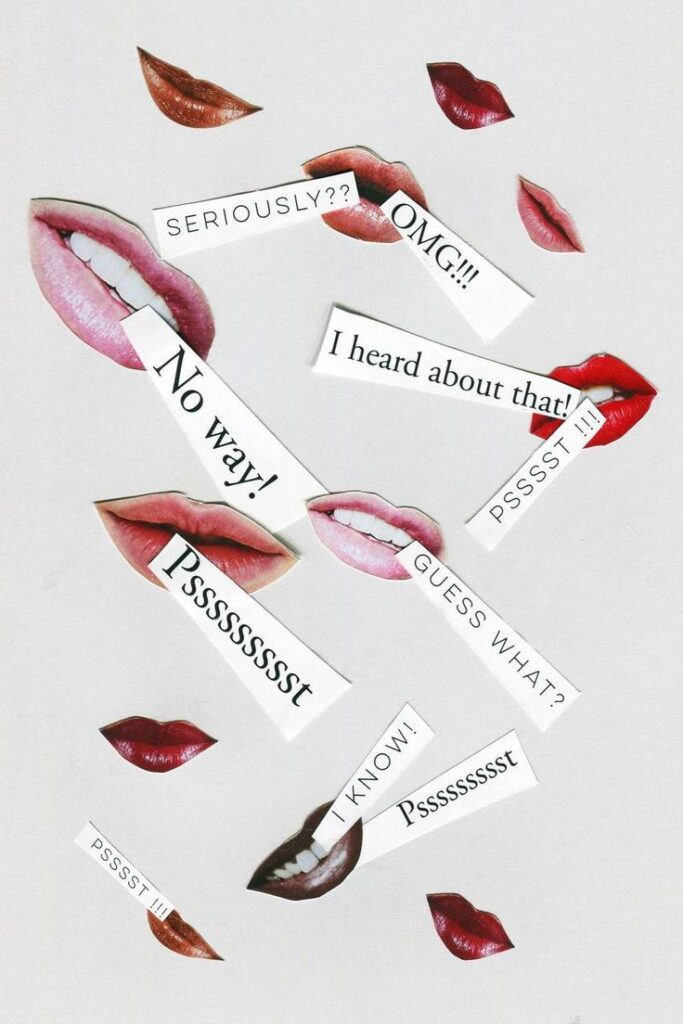
Everyone has secrets and, according to science, secrets are eating us alive. There are three kinds of people when it comes to secrets; there are those who love sharing them and knowing them, and there are those who enjoy keeping things to themselves, who like the secrecy of an inner world that only they know. Then there are the people who see secrets as destructive, choosing honesty over concealment every time.
While the third is a little extreme, scientifically, we’ve all felt that way at least once. Secrets vary in their importance, from little white lies to your parents when you’re a teenager, to the big lies that hurt to even think about. We’ve all had every kind, and they can all affect our health. However, big secrets, those ones that weigh on you overtime, are pretty much lethal to a sound mental state. According to research, secret keeping affects our physical health, too. This month, we turn our attention to secrets – the ones we run from, confront, or choose to share. In the pages ahead, we uncover four ways they leave their mark, influencing everything from our wellbeing to our physiology.
1. Secrets change our relationships
Keeping something from someone close to you can leave you feeling both isolated and irritable. It’s a miserable position to be in, unable to share a piece of yourself with the people you love most. When a secret is held from a partner, a best friend, or a parent, the very act of concealment creates distance, no matter how small the secret may seem. Psychologist Robert Weiss notes that we often hide things from loved ones out of fear: fear of their anger, or fear of hurting them. But research suggests that silence can be more damaging than disclosure. While an argument or confrontation might be painful, it’s often kinder than the slow burn of resentment secrets breed. After all, loved ones usually sense when something is wrong, and their resulting distrust only amplifies your guilt, building a cycle of tension, anger, and disconnection.
2. Secrets make you anxious
The mental effort of keeping something hidden is actually pretty intense. Knowing something others don’t, and actively keeping it from them, is like a mental Olympics for our brains, says doctor Justin Kennedy.
With anxiety comes the physical symptoms of headaches, stomach pain, joint aches and appetite changes. The physical effects of guilt, frustration, and stress are far from pleasant, and we all know how negativity has a way of compounding. Much like the strain of keeping things from loved ones, our minds spiral into worst-case scenarios, with those uneasy feelings lingering until the truth comes out. That said, not every secret needs to be shared – every woman is entitled to her mysteries. The real art lies in learning which truths are worth revealing for your own wellbeing, and which are best kept safely tucked away – wisdom gained, of course, through the often frustrating lessons of experience.
3. Sharing others’ secrets can make you seem unreliable
I’m no stranger to gossip, and I don’t buy the idea that friendships can’t be built on a little trash talk. But there’s a line, and crossing it can cost you. Being known as a gossiper (not just someone who loves a chat) tends to make people trust and like you less. Research by Dykstra et al. shows that those who gossip or lie excessively struggle to maintain long-term relationships, not just in love, but in friendships too. After all, we all need at least one person we can confide in, knowing our words won’t be passed along. If you’re never that person for anyone, the reputation you earn may be one you can’t shake.
4. Sharing your own secrets makes you more trustworthy
Baring your soul to a lucky few will reward you with genuine friendships and closer relationships, says Bonnie et al. Most of the time, when we share really important secrets with people we truly trust and value, that person sees you as a closer friend and a closer loved one. You become more trustworthy, because by opening up to them about something important to you, you’re showing them mutual trust and support. As stated before, sharing other people’s secrets has the exact opposite effect, but share wisely and you can turn that karma into a positive one.
So, why do we keep secrets?
If there are so many negatives to keeping secrets, and positives to sharing them (mostly), why do we even bother to hide so much?
At their core, most secrets stem from embarrassment, guilt, shame, loyalty or are fueling our ego. The first three are easy enough to unpack: when we feel there’s something to hide, whether or not secrecy is truly necessary, shame quickly simmers into guilt. Add the embarrassment of feeling different, or of lying to keep something under wraps, and the weight becomes exhausting. That pressure only reinforces the urge to stay silent, creating a draining cycle of secrecy and self-reproach.
The latter two, loyalty and egotism, are a bit more complex.
We’ve all been asked to keep something private by someone we love, and nine times out of ten, honoring that request is a good thing. In doing so, we build and reinforce trust, the foundation of any healthy relationship. Loyalty makes us great friends, but it can also make us great liars; when you care deeply for someone, you’ll go to great lengths to ensure their secret stays safe. Yet that same loyalty can stir up guilt and shame, especially when the secret involves others – say, a confession of cheating. Suddenly, you’re caught in a tangle of emotions that’s difficult to escape, faced with a choice: keep the secret and carry the weight, or reveal it and face the fallout.
Read more of our Thought Provoking articles here.