The alcohol industry is one of the largest consumer goods industries in the world, valued at around US $1.6‑1.8 trillion per year. In Australia, the market is estimated at around US $32–33 billion in 2025 (about AUD 42 billion). But a movement led mostly by one generation is redefining the alcohol consumption and bringing some pressure to the industry.
This new wave is obsessed with sleep, mental health and fitness but alcohol often clashes with these priorities. The “sober curious” movement has been growing globally over the past several years. It’s especially prominent among Gen Z and younger Millennials. It’s about mindful drinking, wellness and self-experimentation rather than total abstinence as a rule.
In the U.S., only 54% of adults now drink alcohol, the lowest rate in decades and Gen Z is a key driver of that trend.
A survey found that about 21.5% of Gen Z do not consume alcohol at all and another 39% drink occasionally. These suggest that a large segment of Gen Z prefers moderation or little to no drinking.
In Australia, research suggests Gen Z is nearly 20 times more likely to choose not to drink compared to Baby Boomers. This outcome shows a significant portion of Gen Z, especially in high-income countries, is either not drinking or drinking far less than previous generations did at the same age.
Brands aren’t sitting still, they’re transforming the way they think about beverages to stay relevant to Gen Z’s shifting tastes and values. The old playbook “get them drunk” doesn’t work anymore, so companies are innovating across products, marketing and experiences to fit a healthier, lifestyle‑first generation.
With apps and influencers, they are normalising alcohol-free lifestyles. Dry January has become a big thing worldwide while alcohol-free bars and non-alcoholic spirits are booming.
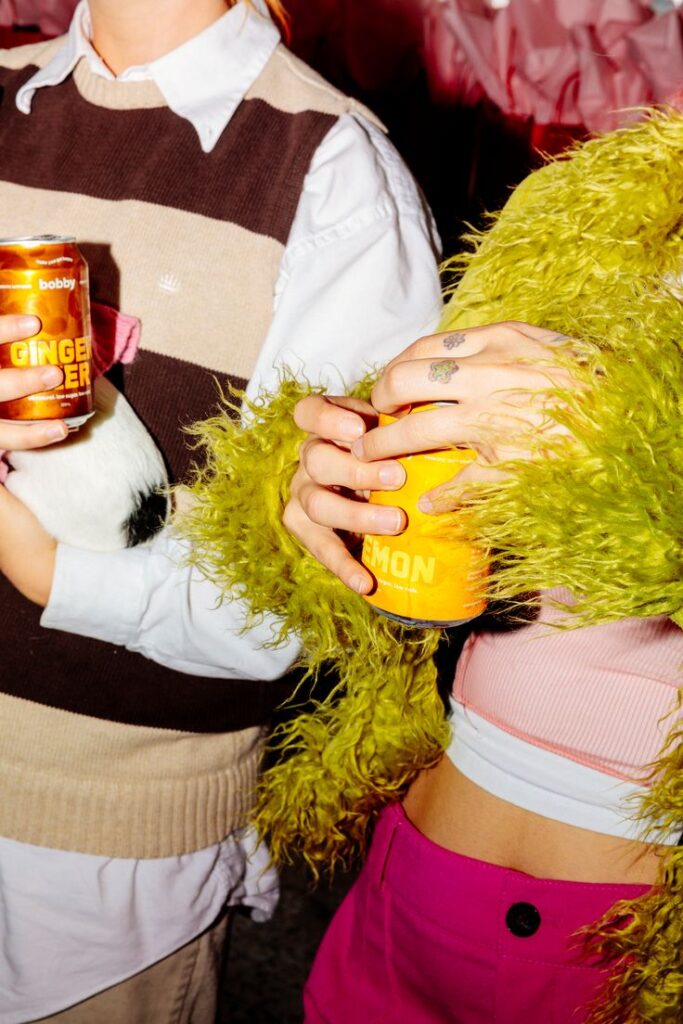
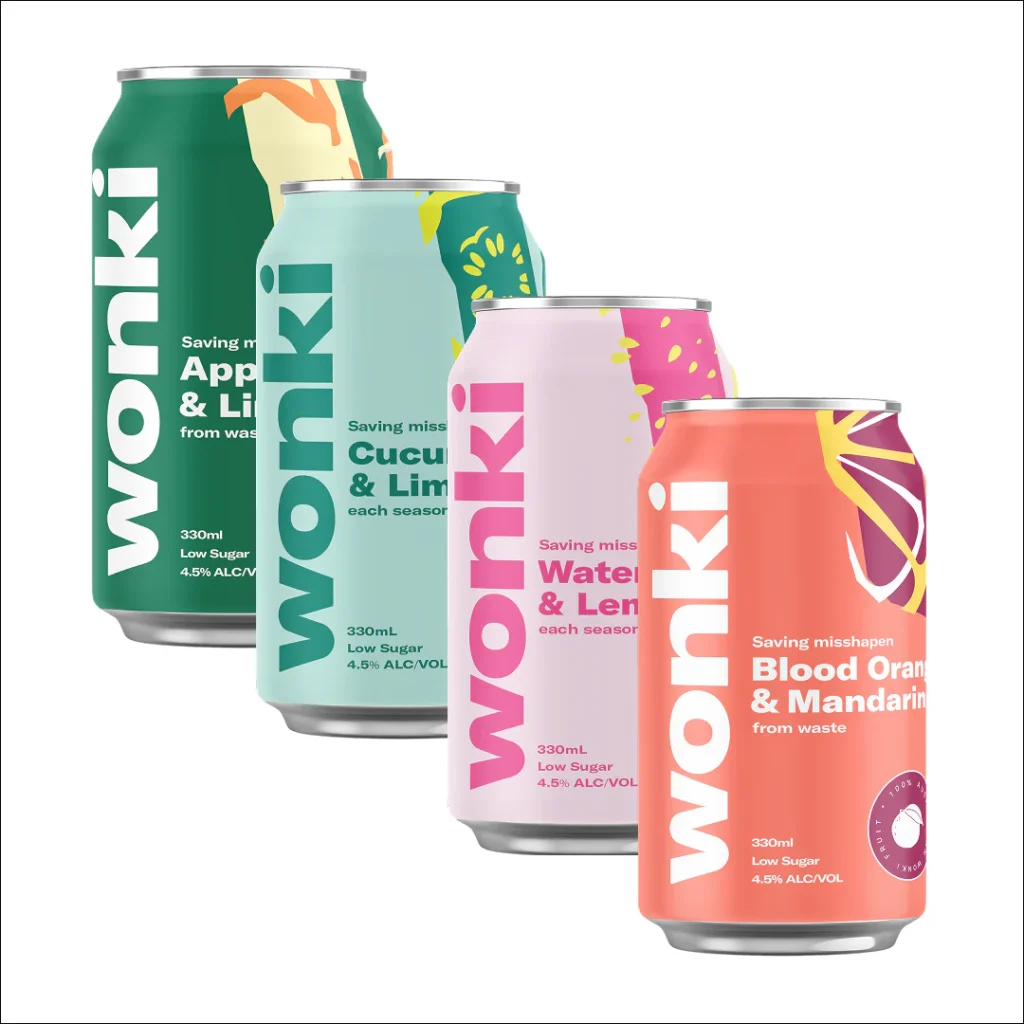
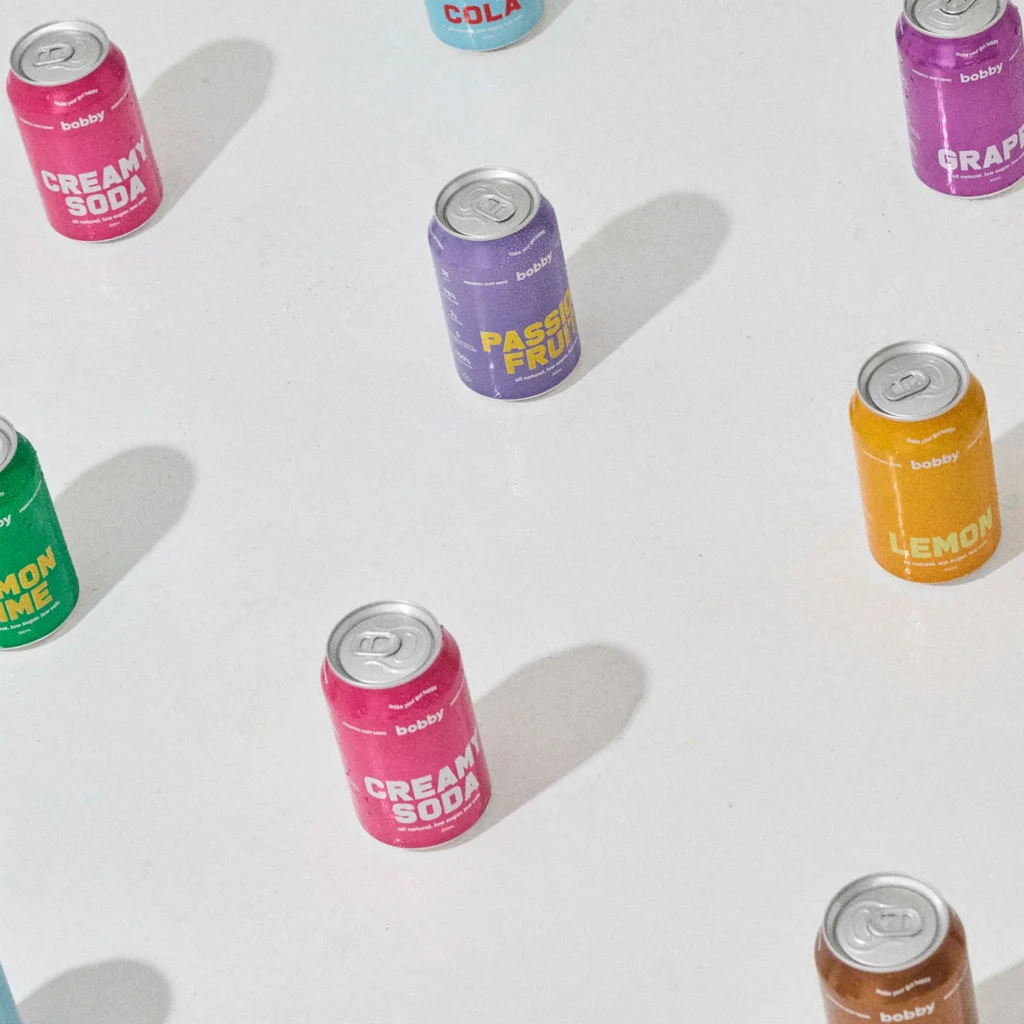
Some premium brands pivot to sophisticated mocktails, low-ABV spirits, sustainability or wellness-oriented beverages to capture Gen Z’s attention like Wonki Beverages. Wonki was founded by three Australians Gen Z students who saw firsthand that their generation wanted healthier and sustainable options without sacrificing flavour or fun. Their business model is built around rescuing waste-bound fruit and turning it into really good sips, with the help of local Aussie manufacturers. Another stand out is Bobby, offering all natural, low sugar soft drinks in chic cans to still emulate that “drinking” experience while sipping on a healthier alcohol free alternative.
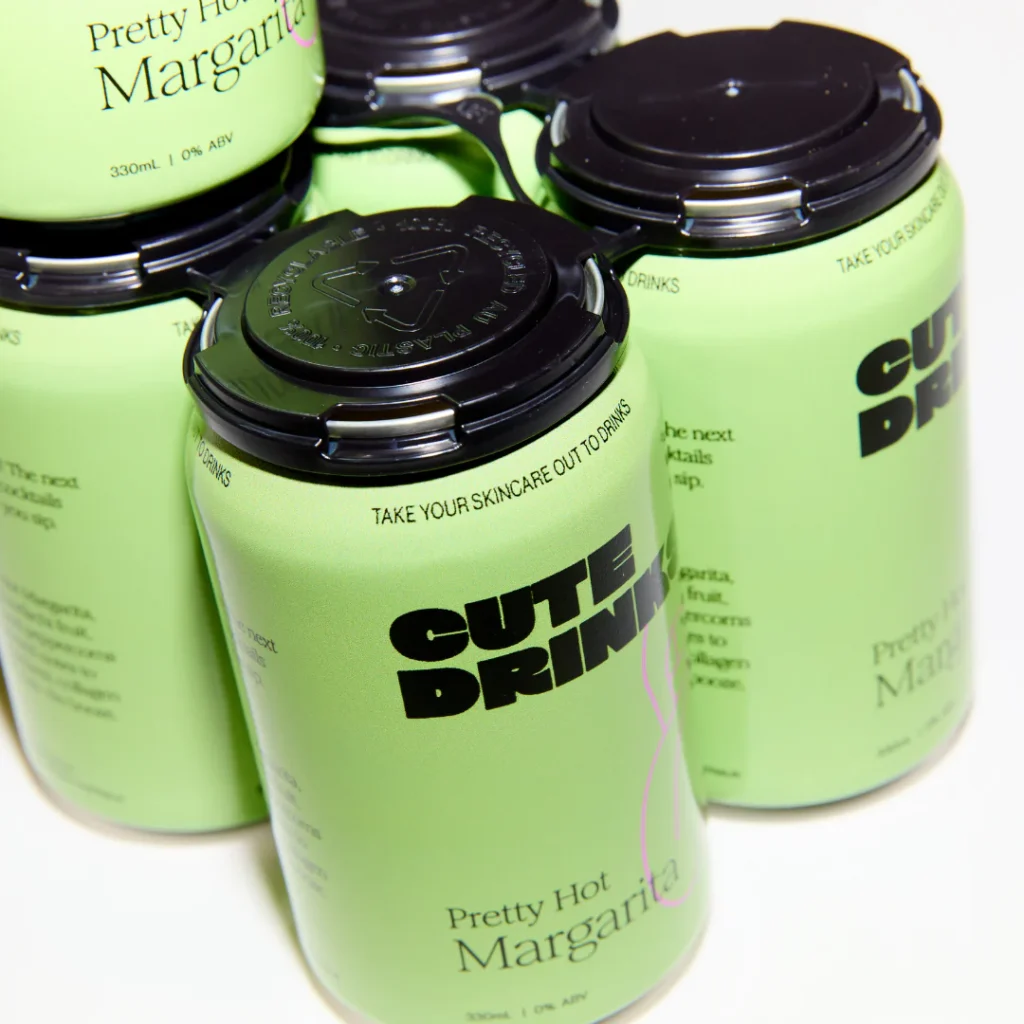
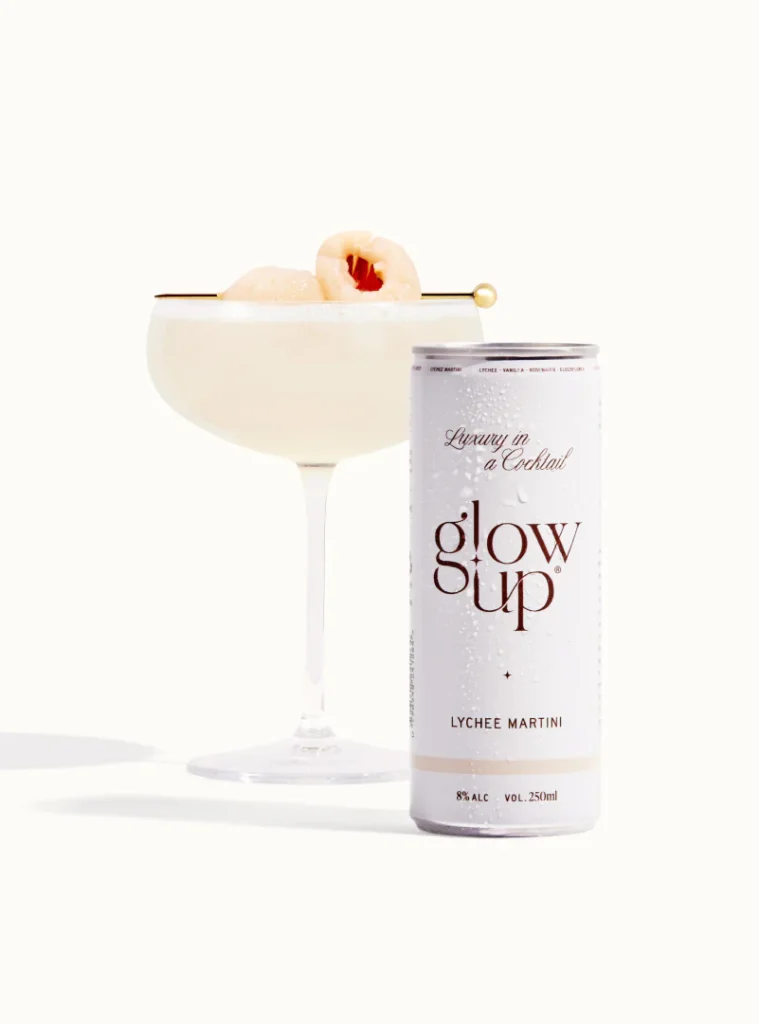
Other brands like Cute Drinks and Glow Up Beverages combine colourful, visually appealing packaging with functional benefits such as hydration, collagen support and wellness-focused ingredients. These drinks speak directly to Gen Z’s desire for beverages that don’t just taste good, but actively contribute to their health and lifestyle.
While new non-alcoholic and soda brands are booming, many traditional alcohol companies are being forced to innovate as profits continue to decline. With restaurants and bars relying on alcohol sales for nearly 30% of their revenue, lower consumption is directly impacting their bottom lines.
Nuanced Drinking, Not total abstinence
Gen Z’s aren’t just choosing to drink less, they’re reshaping social norms and business with shorter nights, moderate quantities, curated experiences and a preference for low-alcohol or zero-alcohol options, all of which disrupt classic alcohol marketing playbooks.
Brands that survive and thrive won’t just push products. They’ll adapt to purpose, experience and authenticity, or risk becoming irrelevant. This could be framed as a wake-up call for traditional industries: your consumer isn’t what you thought they were.
Read more of Thought Provoking articles here.
Banner image credit: Bobby