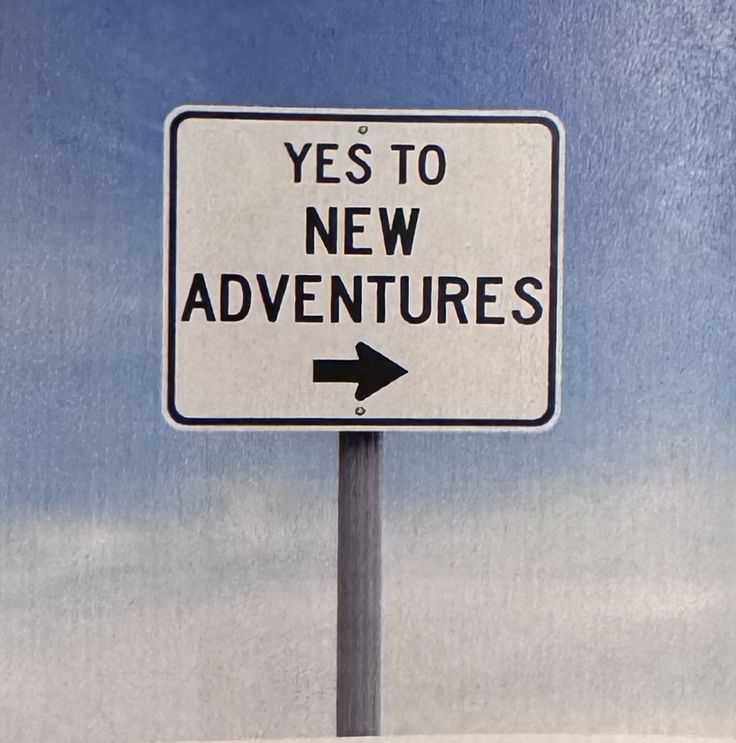
What happens when you refuse the rules entirely? When I graduated from university last year, there was a very clear idea of what was supposed to happen next. I fielded so many questions about ‘what was I going to do now’ that it became a running joke in my family. My plan? My plan was to come up with a plan.
Everyone else seemed to be moving forward in a straight line. Maybe they had a graduate job lined up, or they were saving for a house with their partner. We’d all been working towards it for years, so of course, they had something stable and impressive.
Instead, I booked a one-way ticket to London at 2 am and packed my life up. It wasn’t particularly strategic. I didn’t have a five-year plan or a dream job to step right into. It felt a lot like stepping sideways while everyone else moved forward.
No one ever told me I’d failed; they often would just ask a lot of questions and maybe look at me funny, or call me brave. But it felt like a sort of “failure response”, to not go down the expected path. I suppose it boils down to what you classify as success. Sure, if your definition includes a stable 9-5 and mortgage, then yeah, I’m failing big time. But what was my definition? Right now, at least, it’s achieving my goals. I always wanted to live in Europe in my 20s, and I’m travelling around countries I’ve never been to with my best friend. I’m the most mentally stable I’ve been in a long time.
For a long time, progress meant proving women could succeed within systems that were never really designed for them. Work harder, be more productive. Be ambitious, but remember your place. Stay disciplined, stay organised, be the best in the room. At the same time, there are expectations around relationships, appearance, social life, health and emotional stability.
I’m not revealing some big truth here, we all know the pressure to keep up can be exhausting. You feel it firsthand, every day.
Modern productivity culture often suggests that if you’re overwhelmed, the problem is your routine. You need a better morning: wake up earlier, exercise more, plan ahead. A lot of us are starting to question if the system itself is the problem.
What Opting Out Actually Looks Like
Despite how radical it sounds, opting out isn’t always dramatic. It might be turning down a promotion because you know it will swallow your life. Or maybe it’s choosing the job that pays less, but gives you free time for your hobby. Sometimes it’s just setting boundaries at work and refusing to be permanently available. Or you choose a life that’s less interesting in conversation, but far more manageable.
Opting out isn’t wasting your ambition; it’s redefining where you direct it. For some of us, success might look less like constant growth and more like creativity, freedom, or stability.
The Social Cost
Obviously, people are following the ‘expected’ path for a reason. It’s much easier to understand. Promotions, weddings, houses and babies are milestones everyone recognises. When you choose something different, these markers are a little harder to map out. You, like me, might find yourself constantly explaining yourself. Why you left a job that seemed great or why you moved without a clear plan. It feels uncomfortable, not having the obvious ways to measure progress. How to explain to someone that you’re content with your life, even if it wouldn’t make them happy. For many people, the trade-off is worth it. Because alongside uncertainty comes something else, autonomy.
Redefining Success
I mentioned this a few times, but the concept of opting out being ‘failure’ implies that there’s one set definition of failure. And maybe your idea of success is the freedom to design a life that feels sustainable rather than impressive. Or you might want to prioritise creativity, relationships or wellbeing. Whatever the case, you must work out what success means to you. There is no wrong answer; one isn’t morally superior to the other. It’s just personal.
At the end of the day, the person who has to live with your choices is you. Anywhere you go, the one person you can’t run from is yourself.
Opting out won’t dismantle the systems that shape modern work and success. Those expectations still exist, and many people choose to follow them. But the growing number choosing something else suggests the rules aren’t as fixed as we once thought.
Progress isn’t always moving faster or climbing higher. Sometimes it’s stepping off the path entirely and asking a simple question: Is this the life I want?
The answer is the beginning of a completely different definition of success.
Read more of our Thought-Provoking articles here.