Personal style isn’t just about taste or aesthetics; it’s about how someone negotiates their visibility, control, belonging, and self-protection in presenting themselves to the outside world. What we wear often reveals more about our fears of being perceived and our adaptations than about our creativity and self-expression. How someone curates and presents themselves to others can reveal a lot about their overall sense of identity, and looking at what factors influence this can help discern how people can truly work on finding their authentic style.
The Lie of “Finding Your Aesthetic”
Society has sold us a simple story: personal style is something you discover, perfect, and eventually brand as who you are. From TikTok aesthetics and fad trends to Pinterest ‘capsule wardrobes,’ style is sold as something you can create and greatly influence in shaping who you are. But in reality, style is provisional. It reacts to your unique context: money, class, safety, and desire to be seen or to disappear. It’s shaped less by an internal blueprint and more by the environment we inhabit and what we as individuals value overall.
Style has quietly become a signal of coherence in a time when identity itself feels unstable and unreliable. When someone’s outfit looks effortless, it is often the result of countless small decisions, many invisible and many defensive.
Style as Self-Protection
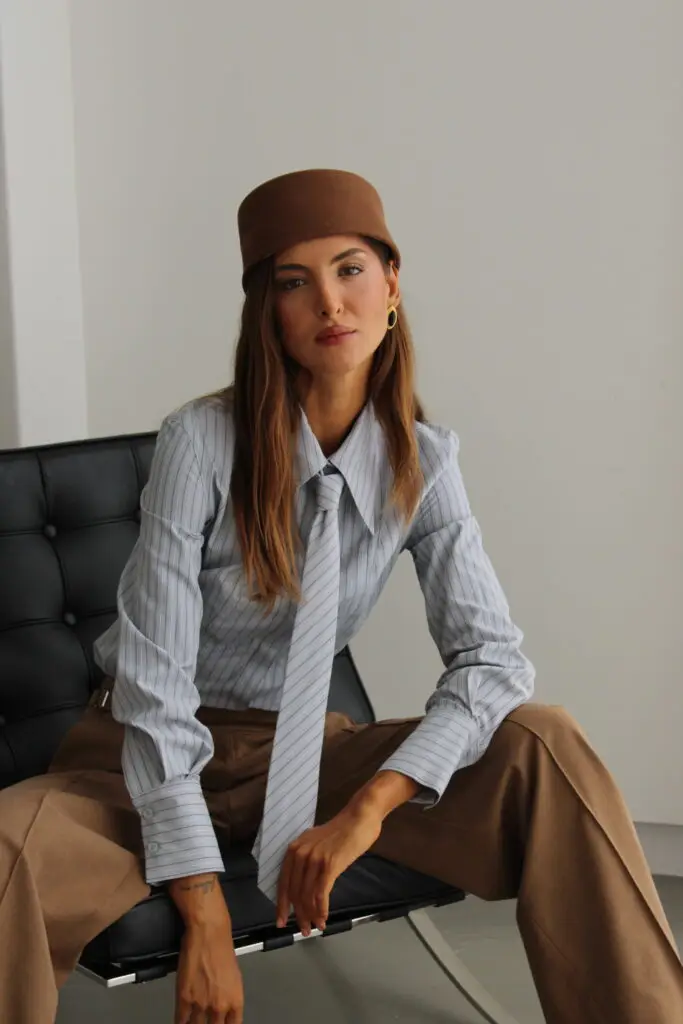
Beyond the curated photo, there is a psychology to what we wear and why we choose the pieces we do, whether it is intentionally influenced or subconsciously chosen. Clothing is an armour or disguise used to avoid scrutiny, and because of this, what we select reflects our internal sense of security greatly. We dress to control perception from the outside world or even ourselves, and are mirrored to us on how we view ourselves overall. Hyper-polished outfits become a guise to try to signal competence or taste. We dress to signal distance, seriousness, desirability, or belonging. Consider the ‘effortless’ look or how using neutral palettes and minimalism protects us from critique. It is often labour disguised as ease. Quiet luxury can be less about taste than emotional armour. Over-styling can be a way to prevent underestimation. The clothes we choose are not just aesthetic; they are statements, sometimes deliberate, sometimes reactive, about how much of ourselves we are willing to expose.
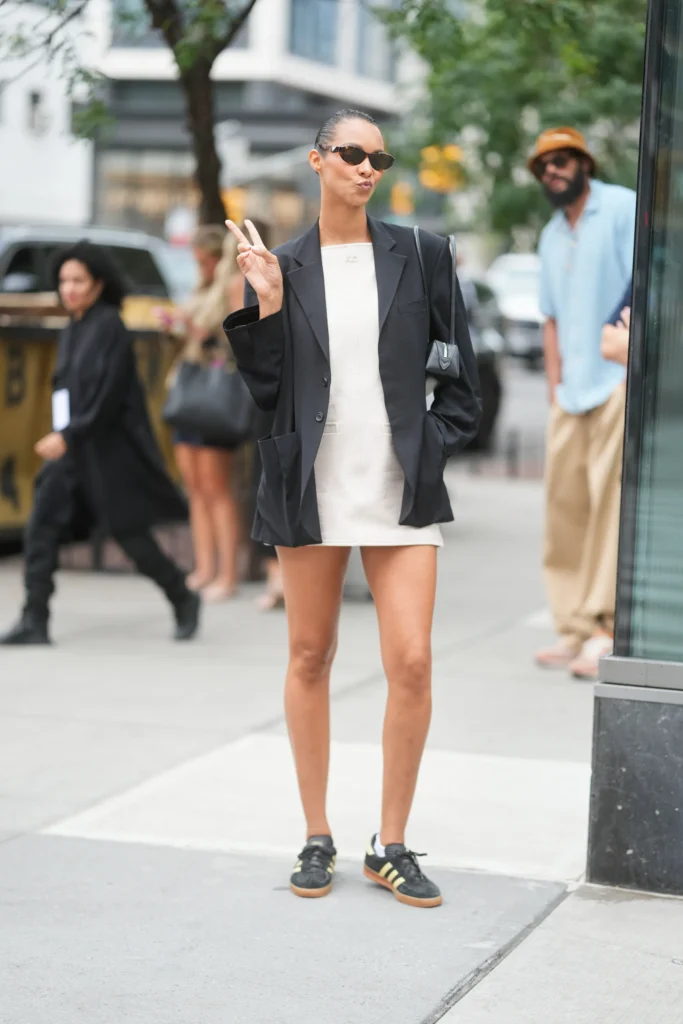
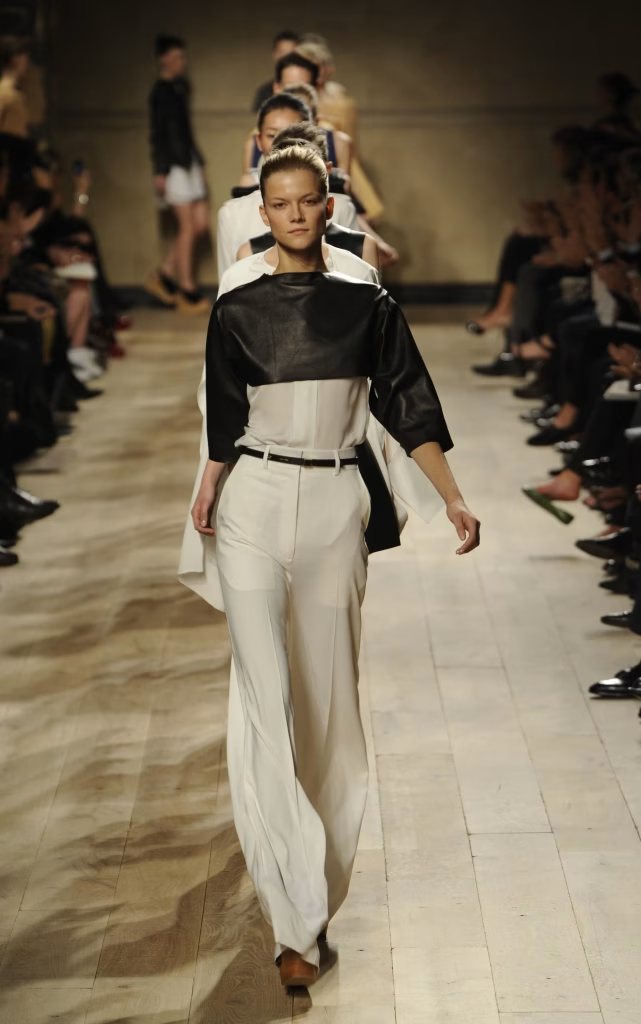

Image credit: Getty Images
The Difference Between Taste and Adaptation
Taste suggests choice, adaptation suggests survival. We like to believe personal style is an expression of preference, a reflection of what we love, what we’re drawn to, what feels the most true to who we are. But much of what we wear is shaped long before desire comes about. Work cultures dictate silhouettes. Cities impose unspoken dress codes. Social algorithms reward certain aesthetics while they quietly judge others. Class expectations determine what reads as ‘appropriate,’ ‘polished,’ or ‘effortless.’ Even the decade in which we live greatly influences how we present ourselves in what we feel ‘safe’ wearing, consider the early 2000’s style versus now and how drastically the ‘norm’ can change without us even noticing until we look back.
Fashion history makes this tension visible. Dress codes and uniforms were never neutral; they enforced hierarchy, signalled belonging and status, and limited deviation from anything other than the ‘norm’ that was presented at the time. Subcultures emerged not simply from taste, but from resistance: clothing became a way to push back against these dominant norms while still operating within them.
Seen this way, personal style is rarely a free-floating declaration of identity. It is a map that is marked by pressures, compromises, and small acts of defiance. What appears as taste often reveals where someone has learned to adapt, and where they have found just enough room to choose.

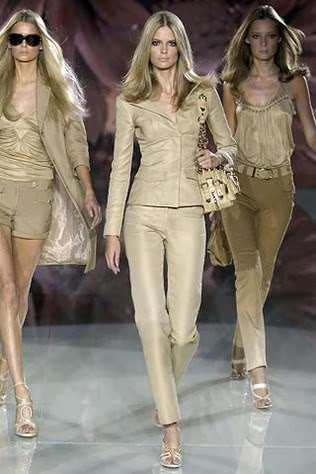

Why Style Changes When Identity Stabilises
There is a stark difference between people with a stable sense of identity and those with an unstable one in terms of their style. For example, people with a more grounded sense of self often dress more simply; they don’t ‘overdo’ what they wear. This doesn’t mean they dress primarily in staple pieces and only feature items of black, white and neutrals; instead, they show up in a way that displays their style in a refined sense. Though they can still feature unique personality pieces and flair, dressing with a stable identity shows through the ability to embody the phrase ‘less is more’. A stable sense of identity embodies a sense of lack of care for external validation; these people do not overdo their look or search for opinions in the way they dress. Instead, they show up confidently and securely. Instability, on the other hand, often shows up as someone who is caught up in constant reinvention of themselves and their wardrobe. They obsess over aesthetic refining and fear being ‘off-brand’ and ‘off-trend’.
A clear example of style stabilising with identity can be seen in Jane Birkin and how her style has stayed consistent over multiple decades. Through the many changing fashion trends of each decade, Jane consistently wears the same iconic pieces in her everyday wardrobe. From simple dresses, tailored trousers, Breton stripes, and her signature basket bag, her style is rarely influenced by those around her. Rather than chasing trends, Birkin’s wardrobe communicates self-trust and a grounded sense of identity. In this sense, repetition becomes a marker of confidence, not boredom.


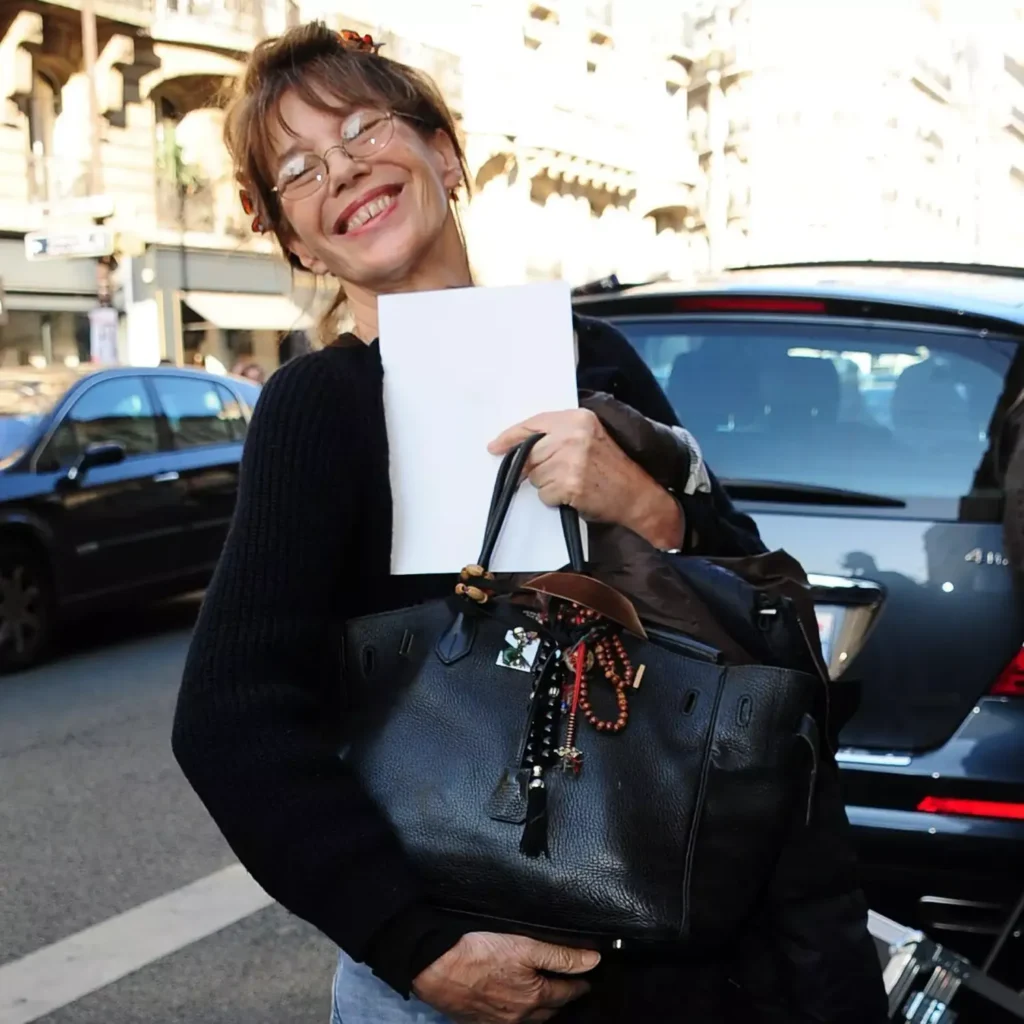
Image credit: Alaca Press / Alamy
Beyond Aesthetics: Dressing With Self-Trust
Personal style should be more than just wearing pieces that you think you should, and instead wear pieces that make you feel confident. Ultimately, personal style is less about ‘finding your look’ and more about negotiating a relationship with your own visibility. It is a conversation with your body, a reflection of internal permission, a signal of the parts of yourself you feel safe revealing.
Overall, the question isn’t what style you’ve found; it’s what style allows you to inhabit yourself fully, without apology.
Read more of our Fashion & Style articles here.