If you spent any significant time on YouTube in the 2010s, you absorbed a lot of makeup rules. Some were genuinely useful and helped lead us through a slightly bizarre teething period in makeup.
Other rules were taken as gospel, even though they were built for one person’s face (hi, micro eyebrows. We don’t miss you), one era’s formulas, or one very specific idea of what a finished look should be.
Some of them aren’t serving us anymore. Here are the five beauty rules we’ve been quietly unfollowing, much to the relief of our makeup looks.
Unfollowing: Shimmer Doesn’t Belong in Your Crease
This one is so persistent. There’s logic behind it though. The rule is that shimmer in the crease will emphasise texture and make hooded eyes disappear – which aligned with the chunky glitters of the early 2010s and the style people focused on at the time.
We were also still reeling from the icy-blue-shimmer-to-the-brow-bone looks the 90s kindly gifted us.
But it doesn’t hold up anymore, and it especially doesn’t hold for everyone.
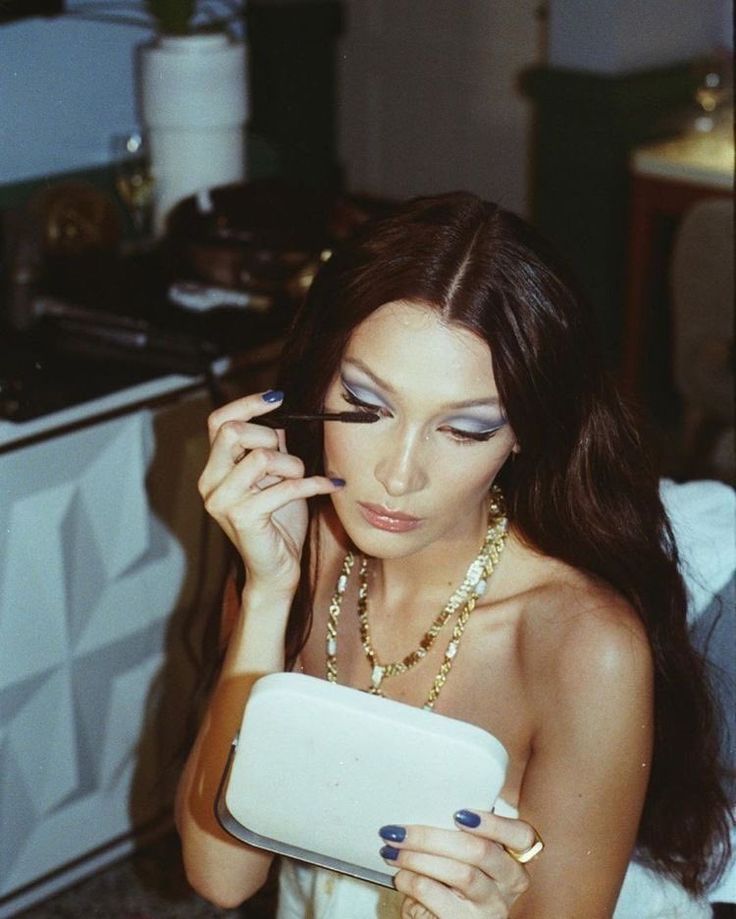
If you have hooded eyes, shimmer in the crease can look genuinely beautiful. Angelic, even.
The way light catches a soft shimmer at the centre of the lid, or across the brow bone and into the hood, creates dimension in a way that a strict matte-only approach often doesn’t.
Still feeling a bit cautious? Use a more subtle shimmer, and a shade two or three shades deeper than your skin tone.
Try it and see what happens on your face, on your features. And you might hate it, and that’s ok too.
Top picks:
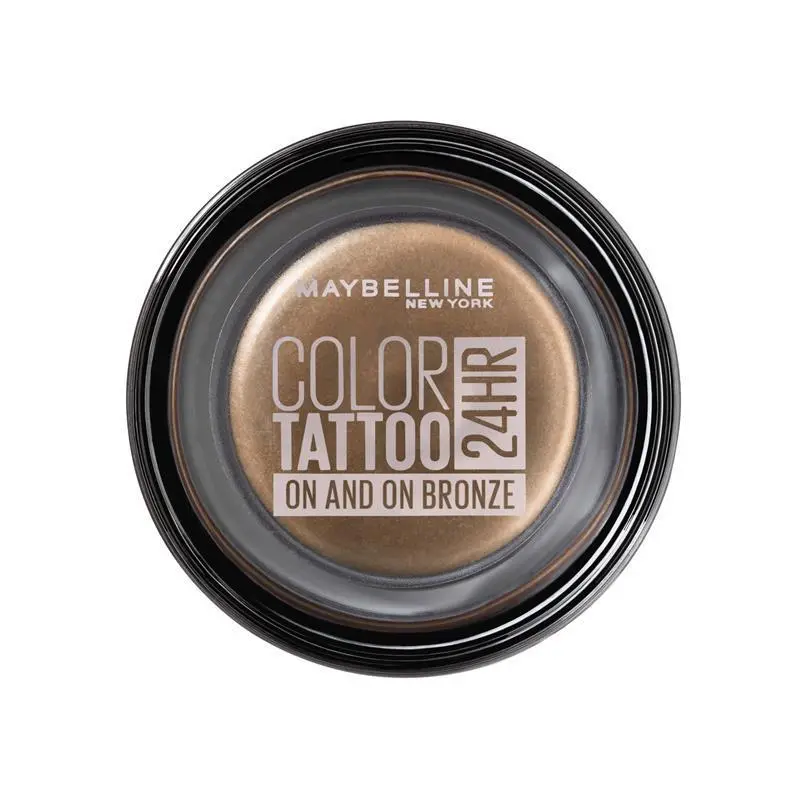
- My affordable creamy pick: The Maybelline Eye Studio Colour Tattoo 24H Eyeshadow On And On Bronze
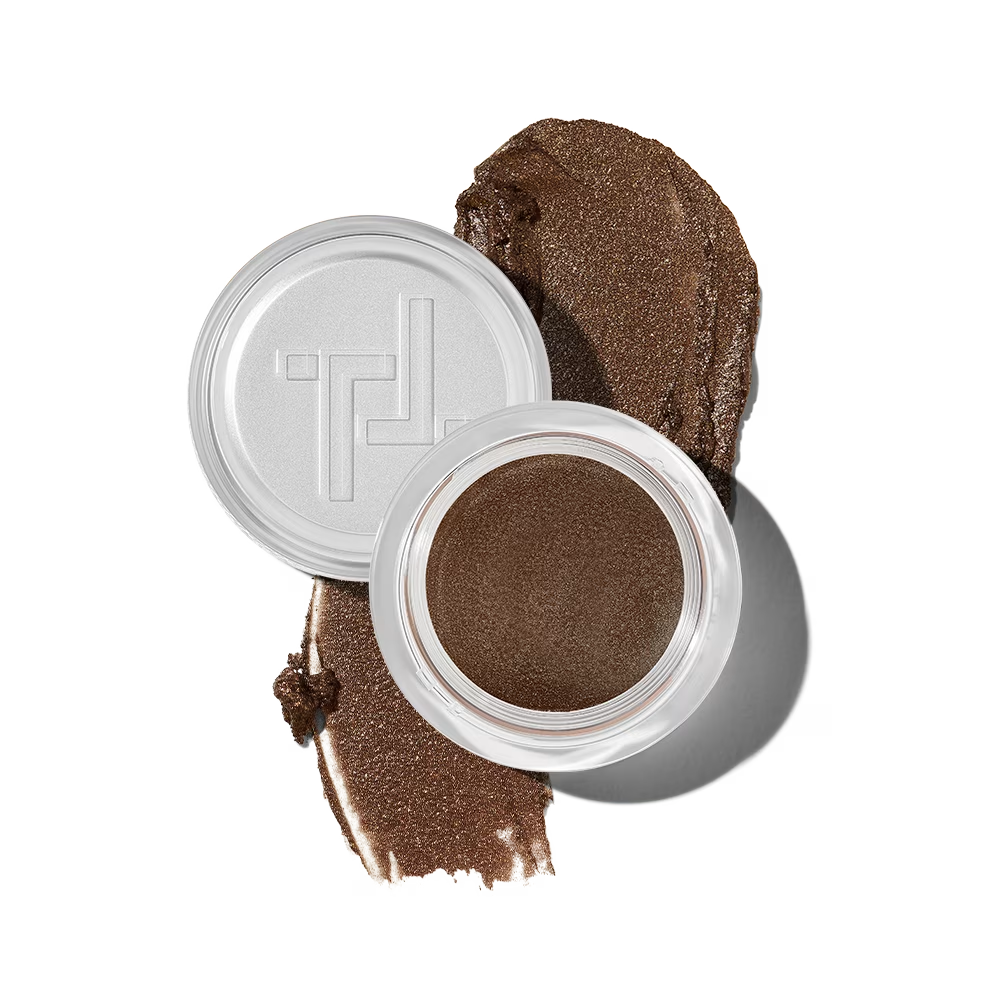
- My most dreamy pick: The Eye Shade Eye2Eye from Trinny London. Shade Chariot – Golden infused khaki is gorgeous.
Unfollowing: Makeup Has a Strict Application Order
The idea that makeup must be applied in a specific sequence – primer, foundation, concealer, powder, then blush, then everything else – comes from a real place. When cream formulas were applied over powder, they’d drag or pill.
The technology just didn’t support flexibility. It does now though, and sometimes it’s the best way to go for a skin-like finish.
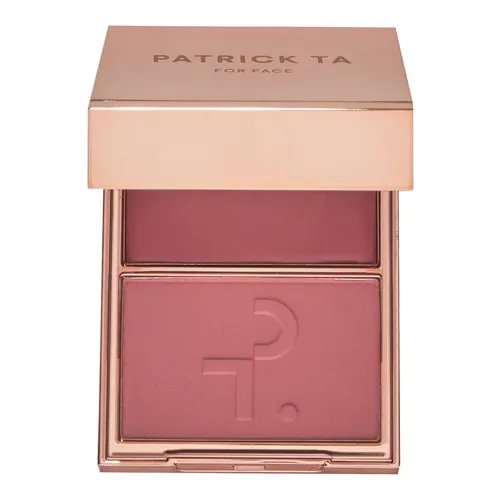
Did you know pro celebrity makeup artist Patrick Ta applies his powder blush first, then layers cream over?
Plus, this is part of my favourite makeup habit. When you’re finished with your look, step back, and tweak as your heart desires.
If the skin looks a little flat, if the cheeks need more warmth – go back in. Add blush at the end. Build it over powder if that’s where you are in your routine.
Need to touch up eyebrows or layer on a bit of concealer? Chances are there’s more flexibility than you think.
Two things tend to happen when people do this:
- The blush looks more natural because it’s responding to the whole face, not being applied in isolation.
- You stop under-doing it because you’re no longer guessing how it’ll read once everything else is in place.
Check your products, give this a go for the first time before washing your face in case there are combinations to be wary of, but absolutely follow your heart.
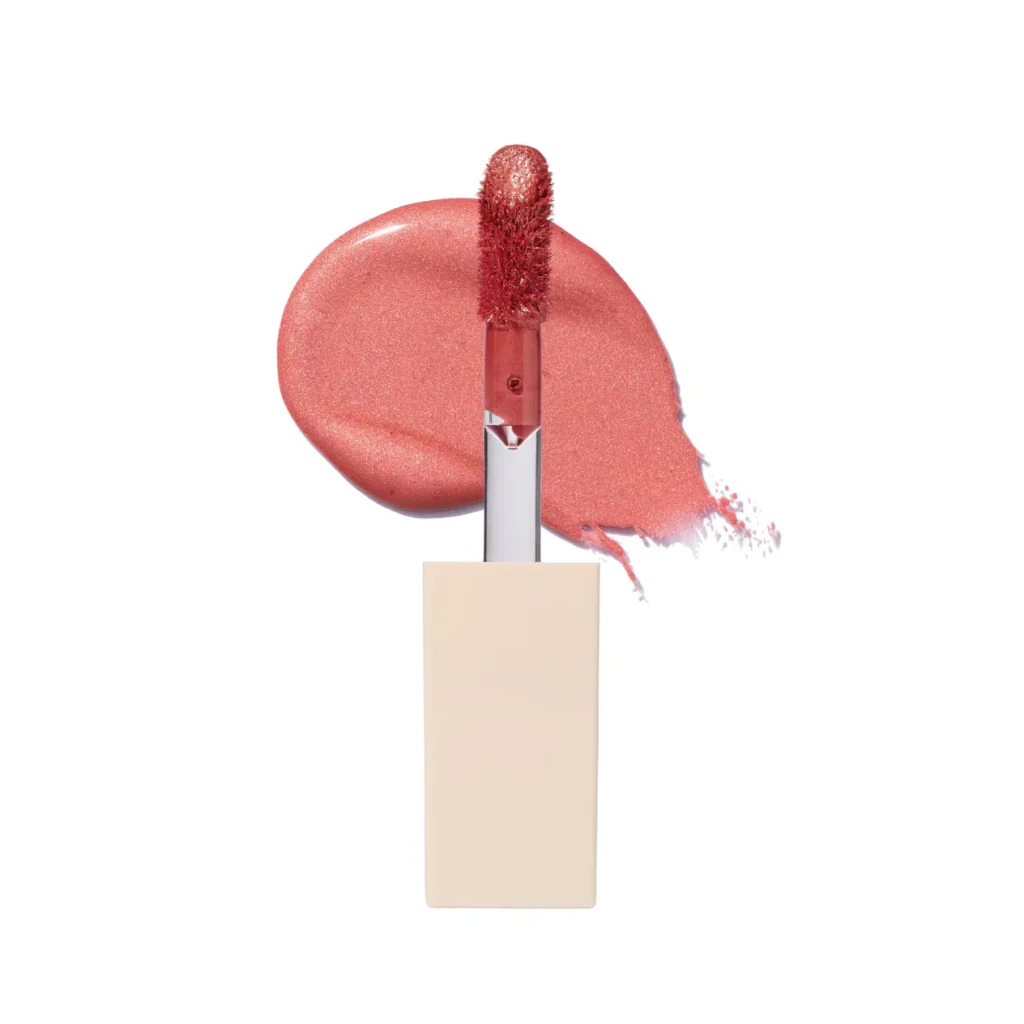
Cream blushes that layer over everything and anything:
Unfollowing: Bigger Eyes and a Smaller Nose Is the “Goal”
YouTube in the 2010s was formative and, looking back, pretty relentless about this. Techniques were almost universally framed around making eyes appear larger and noses appear narrower.
The implicit message – that these were the features worth having – was everywhere.
It’s worth naming directly: a significant proportion of those beauty standards were Eurocentric.
They were built around a specific set of features and proportions, and they were applied universally in a way that didn’t serve, and often actively harmed, people who didn’t share them.
Eyeliner is a good example of where this shows up. The classic technique – drawing the line out and down to “open” the eye – was designed around a particular eye shape, focused on making eyes look as big as possible.
Applied to a different shape, it can look wrong, because it is. It’s not your technique that’s off. It was the rule.
Working out how eyeliner suits your eye shape and face shape, rather than copying a technique developed for someone else’s features, is a much more useful starting point.
It takes some experimentation, but the results tend to feel a lot more like you.
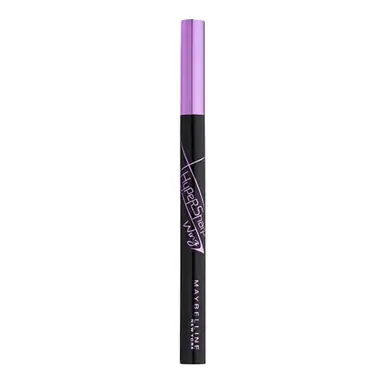
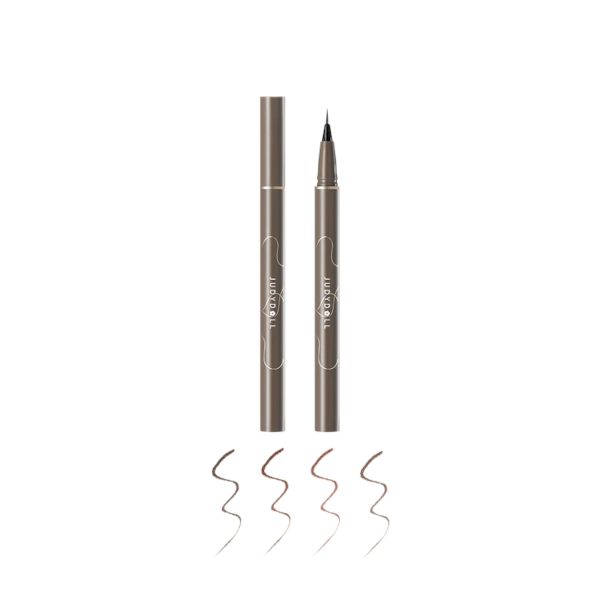
My favourite smaller set eye friendly eyeliners:
- Maybelline Hypersharp Wing Liquid Liner
- Judydoll – Slim Liquid Eyeliner (available in multiple shades of brown, too!)
Unfollowing: Full Coverage Foundation Looks Cakey
Full coverage foundations have a reputation that, for the most part, they no longer deserve.
The cakey finish people associate with high-coverage formulas is largely a product era problem. Older formulas sat on top of the skin rather than working with it, and the finish gave the game away.
That’s not the landscape now. Many full coverage foundations have skin-like finishes, buildable coverage, and formulas that account for the fact that skin is a living thing, not a flat surface.
If you have acne or hyperpigmentation you want to cover, you shouldn’t have to choose between coverage and looking like yourself.
Those two things aren’t in conflict the way they used to be. It’s worth revisiting the category if you wrote it off years ago – the formula you tried in 2013 and the formula available now are genuinely different products.
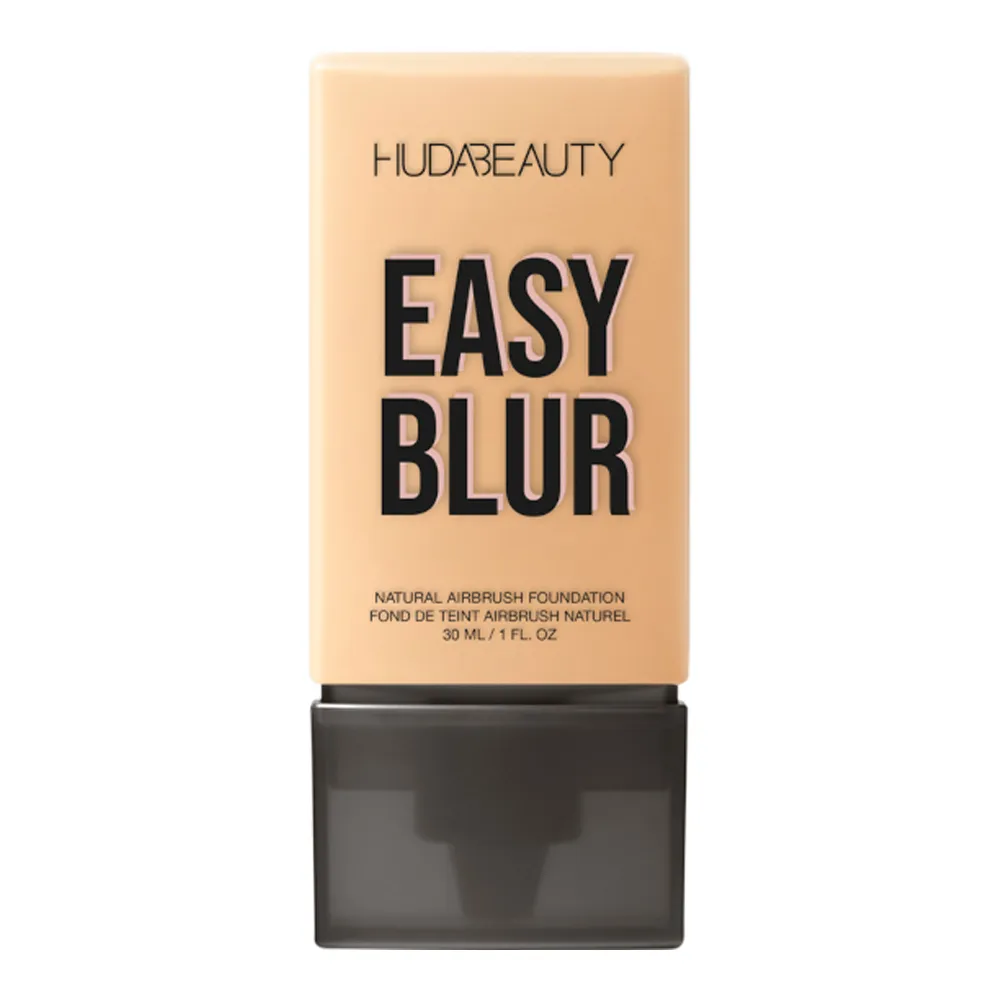
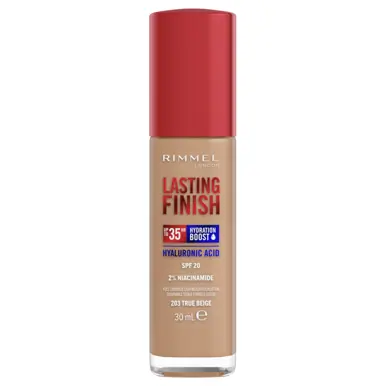
Buildable full coverage foundations that changed my mind:
Unfollowing: Sunscreen Makes Your Makeup Pill (Or Relying on Your Makeup For Solo SPF Protection)
This one has kept a lot of people from wearing sunscreen at all, which is the worst possible outcome.
The pilling problem was unbearable, certain sunscreen formulas would roll up on themselves under foundation that would make the most makeup pro cringe.
Lots skipped sunscreen entirely, or decided their SPF-infused foundation was doing the job. Neither is a great solution.
SPF in makeup rarely delivers adequate protection in practice, unless you’re applying ¼ teaspoon (chances are, you’re not!).
So although SPF-makeup is a nice edition, it isn’t your primary sunscreen.
Thankfully, sunscreen formulas have changed significantly, many being made with makeup application in mind, and even doubling as a makeup primer.
So if makeup incompatibility was what made you hesitate on protecting your skin, that gap has well and truly closed. Your skin barrier and skin health will thank you.
My top picks:
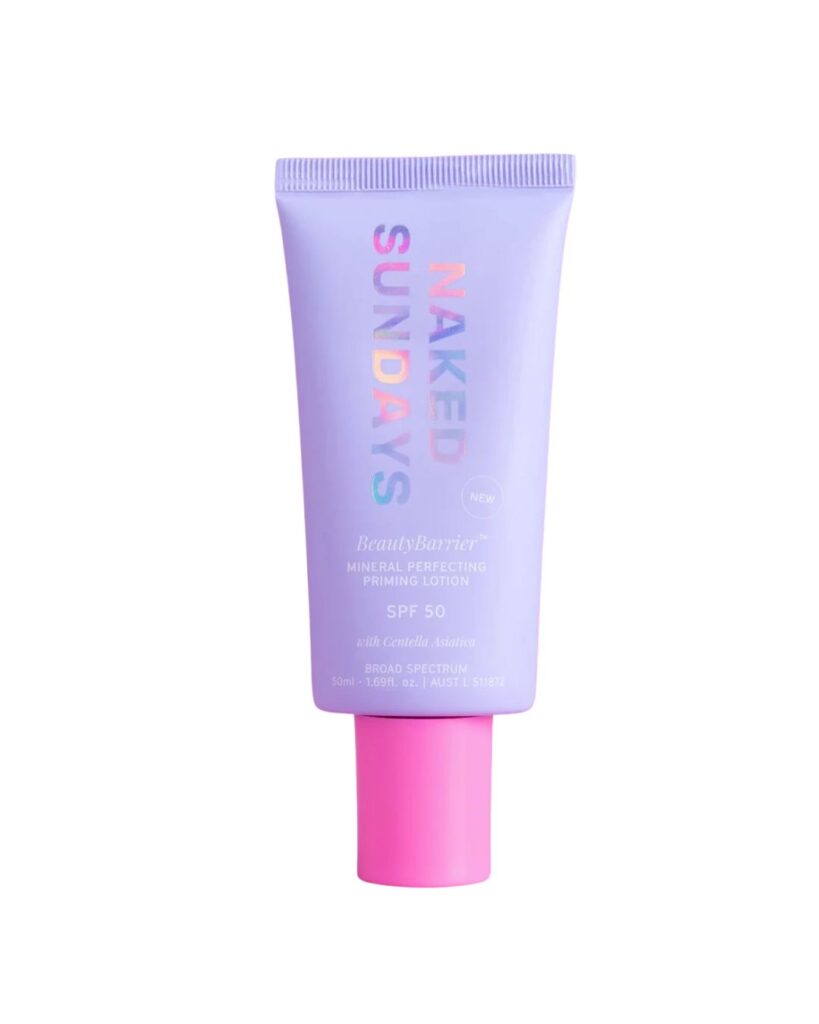
- Naked Sundays BeautyBarrier™ Mineral Perfecting Priming Lotion SPF50
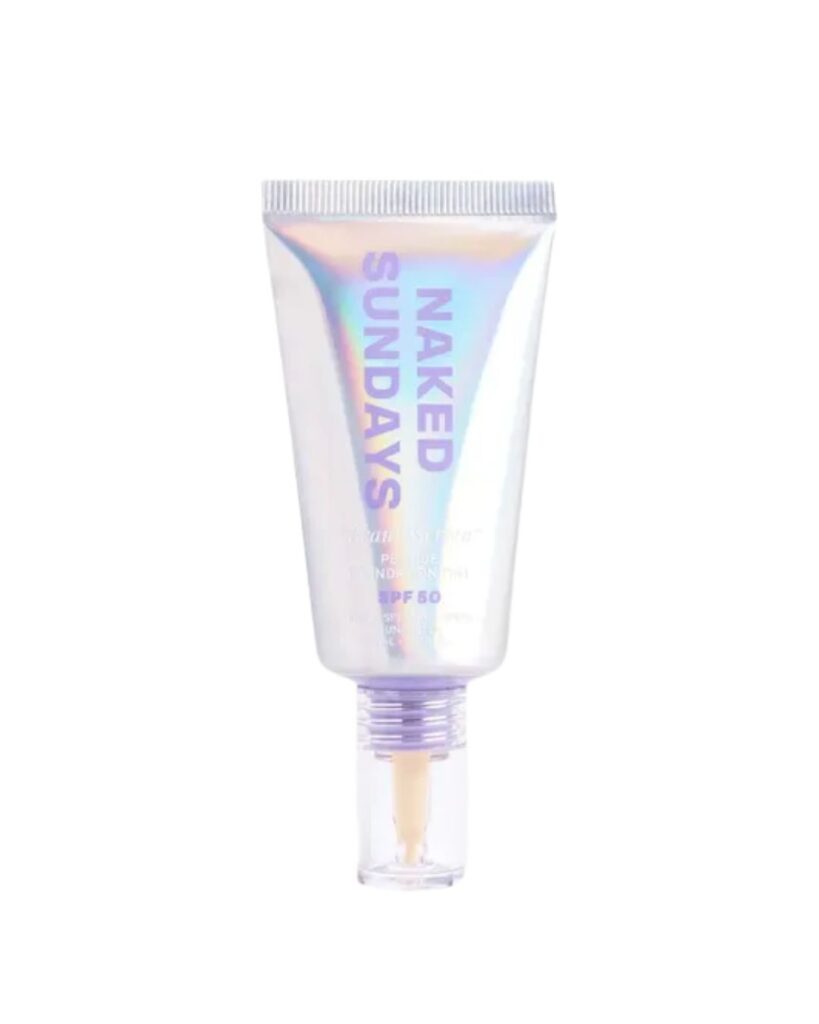
- Naked Sundays BeautyScreen™ SPF50 Peptide Foundation Tint
Your Full Permission to Express Yourself How *You* Want, And Try New Things
Most of these rules came from real places – product limitations, specific techniques for specific faces, trends that made sense at the time (and were oh so fun).
But your face is unique, and your routine doesn’t have to follow a generic template. Not that you needed it, but here’s your permission to try something new, or toss old rules that don’t suit you to the side.
What would you add to this list?
Read more of our Beauty articles here.