Sustainability is everywhere, and nowhere. In an industry obsessed with appearances, a recycled swing tag and sage green branding no longer cut it. Gen-Z demands substance and leading the shift is NALA. With a focus on conscious practices and considered design, this Australian intimates brand is setting a new standard. We reached out to co-founders Chloe and Phillip de Winter to explore greenwashing fatigue, what true responsibility looks like, and why sustainability should never come at the expense of style.

Powerhouse duo Chloe and Phillip De Winter
The Rise of Greenwashing
What is greenwashing, really? At its core, it’s the practice of brands leveraging sustainability as a marketing ploy rather than embedding it as a genuine value. As Chloe puts it, “It’s when sustainability is used as a marketing technique, rather than a meaningful practice embedded within the business.” The term has become a critical watchword amid the rise of fast fashion’s “conscious” collections and the casual drop of ambiguous buzzwords like natural, eco, and clean. Often without transparency or proof. “Genuine sustainability is specific.” adds Phillip. “Look for brands that tell you exactly what they’re doing, why they’re doing it, and where their materials and products come from. If a brand is vague or just using feel-good language… that’s a red flag.”
Gen-Z: The Accountability Generation
At NALA, sustainability isn’t a selling point, it’s the starting point. Designed for a generation that demands more than just aesthetics, the brand reflects a shift in what modern consumers expect from fashion. “Gen-Z doesn’t just want a good product, they want to know what went into it, who made it, and what impact it’s having,” says Chloe. “They don’t expect perfection, but they expect honesty.” That mindset drives NALA’s every move. From selecting bio-based and recycled fabrics to ensuring even the packaging is fully recycled. It’s transparency not as a trend, but as a non-negotiable.
Sustainability, Done NALA’s Way
This is what sustainability looks like when it’s built to last. “Often, the more sustainable options are more expensive,” Chloe admits. “We pay more for our packaging than we would for a non-recycled option. Same with our fabrics. But we build those expenses into the business, it’s just part of our responsibility.” The brand rejects the beige-washed stereotype of what sustainable fashion should look like. “Another misconception is that sustainable brands have to be earthy and beige. NALA is bold, confident and fun and also sustainable,” she adds. The advice for new brands is clear: progress over perfection. “Don’t try to be perfect,” Phillip says. “Make small choices and reduce your footprint where you can. You’ll expand your impact as you grow.”


What’s Next
Progression is the point. NALA acknowledges there’s still work to be done, but that only fuels the momentum. “We’re constantly thinking of ways we can improve,” says Chloe. “Next on our list? Finding an easy and accessible way for people to recycle their old bras and underwear. Wouldn’t that be awesome?” When asked what they’d shift in fashion right now, Chloe doesn’t hesitate. “I’d slow it down,” she says. “The industry moves at a ridiculously fast pace, encouraging overproduction and overconsumption. We need to shift to fewer, better things. Pieces that are thoughtful, well-made, and built to last.”
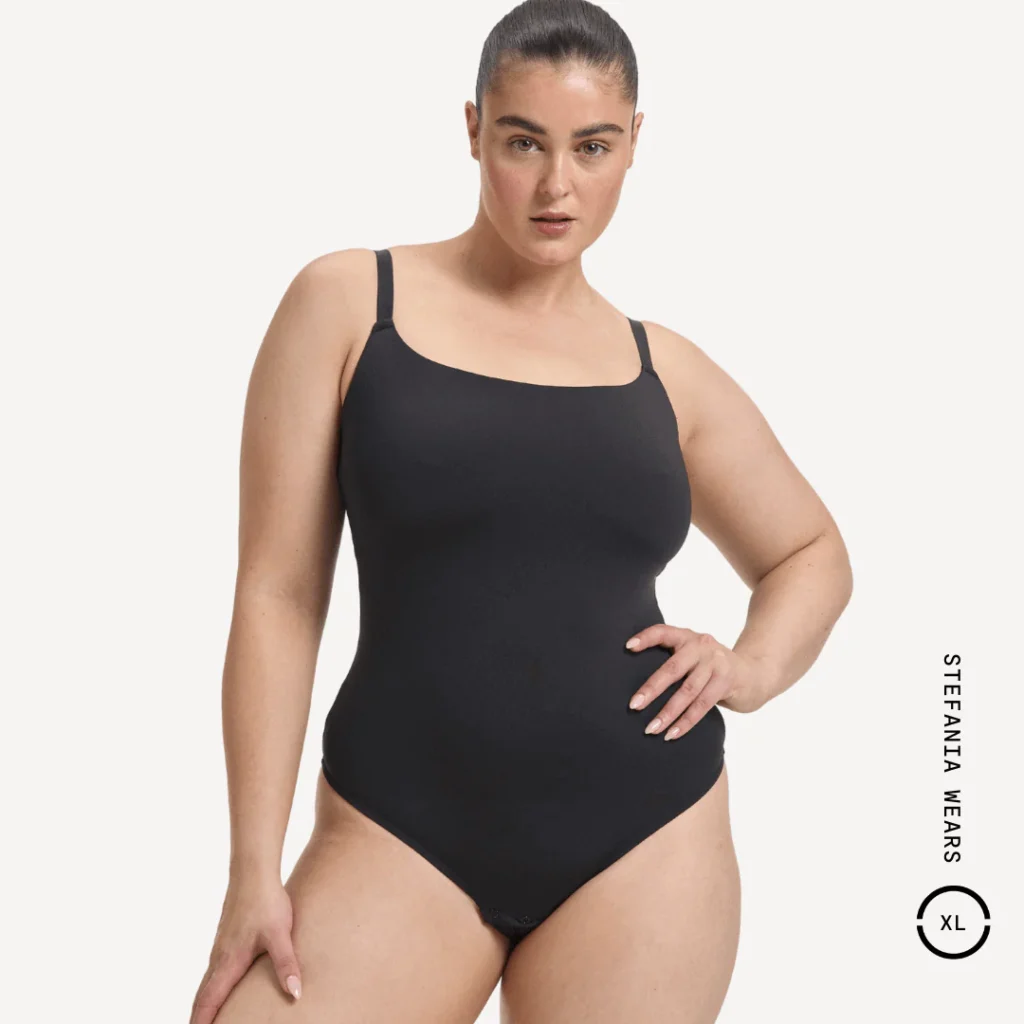
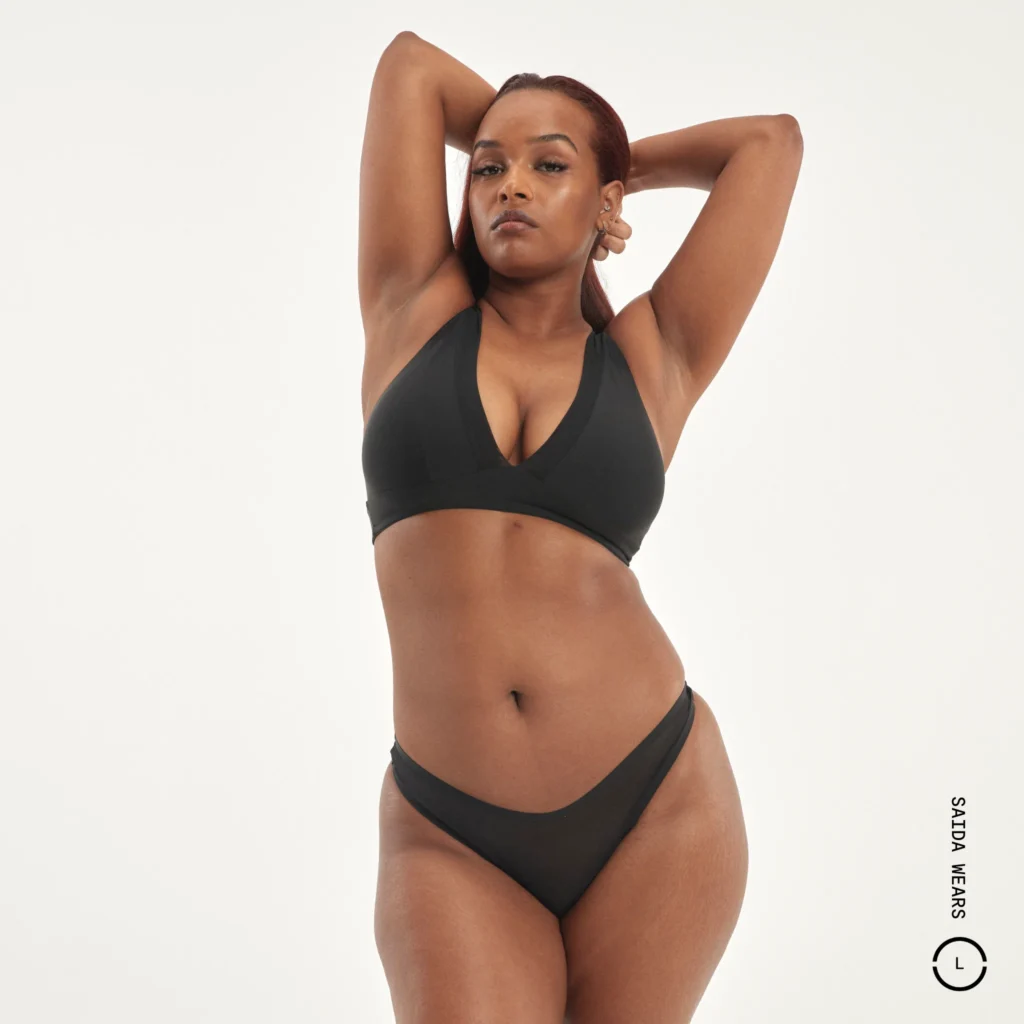
Wearing NALA’s Bio Scoop Neck Bodysuit and Classic Gee revealed just how seamless sustainable luxury can be. The bodysuit’s bio-based fabric effortlessly sculpts and supports the body, transforming everyday essentials into elevated, statement pieces. The Mesh Classic Gee offers a perfect balance of breathability and structure, disproving the myth that eco-conscious design requires sacrifice in style or comfort. Every detail from fabric to finish reflects the brand’s commitment to transparency and intentionality, translating the conversations with Chloe and Phillip into garments that are as conscious as they are covetable. These garments represent more than style; they’re a deliberate step toward a future where design and responsibility seamlessly intertwine, one carefully crafted piece at a time.
How to Spot Greenwashing: 3 Red Flags
• Vague language like “eco-friendly” with no data
• Pretty packaging with no proof
• No transparency about sourcing or labour
Chloe and Phillip’s Tips for Emerging Brands
• Be honest, not perfect
• Start small and scale your sustainability
• Don’t lose your brand voice in the process
Stats Gen-Z Should Know
• Fashion accounts for 10% of global carbon emissions
• 85% of textiles end up in landfills each year
• Gen-Z is 3x more likely to buy from purpose-driven brands
Read more of our Fashion articles here.