When was the last time you did something for the joy of it? Lately, it seems that the moment we close our laptops, another shift begins. We swap emails for errands, meetings for meal prep and deadlines for the growing list of things we’ve convinced ourselves we should accomplish before bed. Every activity is fashioned into a form of productivity or self-improvement. The question of “How do I want to spend my evening?” has turned into “What else can I achieve before bed?”. As a result, we have forgotten how to have fun.
Productivity no longer ends with the 9-5 but extends into our evenings. The work mindset transcends outside of the office. We try to optimise our schedules, jam packing our evenings with exercise, meal prep, and socialising. We even transform hobbies into side hustles, and spend our Sunday mornings doing admin. In doing so, we risk becoming out of tune with our environment, our feelings, and the experiences unfolding around us.
We have forgotten that the hours after work are the hours that belong to us.
This is not to say that ambition or discipline are the problem. They can bring great satisfaction and purpose to our lives. It can also be difficult to separate joy from productivity, as many of the things we love can also serve a purpose. In my experience, the problem arises when every moment of leisure has to justify its existence through self-improvement or achievement.
When Did We Start Treating Joy as a Reward?
Between finishing work and going to sleep, it is easy for our evenings to become consumed with the things that need ticking off. I often find myself feeling as though I need to earn my leisure time before I can truly enjoy it. If I’ve worked hard, battled through a reformer pilates class, or finally tackled a monstrous pile of washing, then I feel justified in cosying up to an episode of Off Campus.
However, by the time everything is finished, there can be little energy left for anything beyond the ‘necessities’. We tell ourselves we will make time when life is less busy, when we have ticked everything else off the list. As a result, fun can be confined to the weekends. Spontaneous plans that once broke up the week such as catching a movie, baking cookies just for the fun of it, or going to pub trivia on a whim are all too easily postponed with a familiar “Can we take a rain check?”.
The hours that belong to us become merely an extension of our to-do lists. Enjoyment is often pushed to the bottom of the list – that is, if we make room for it at all. Fun becomes an afterthought to productivity, rewarding us for a week of hard work, rather than something valuable in its own right.
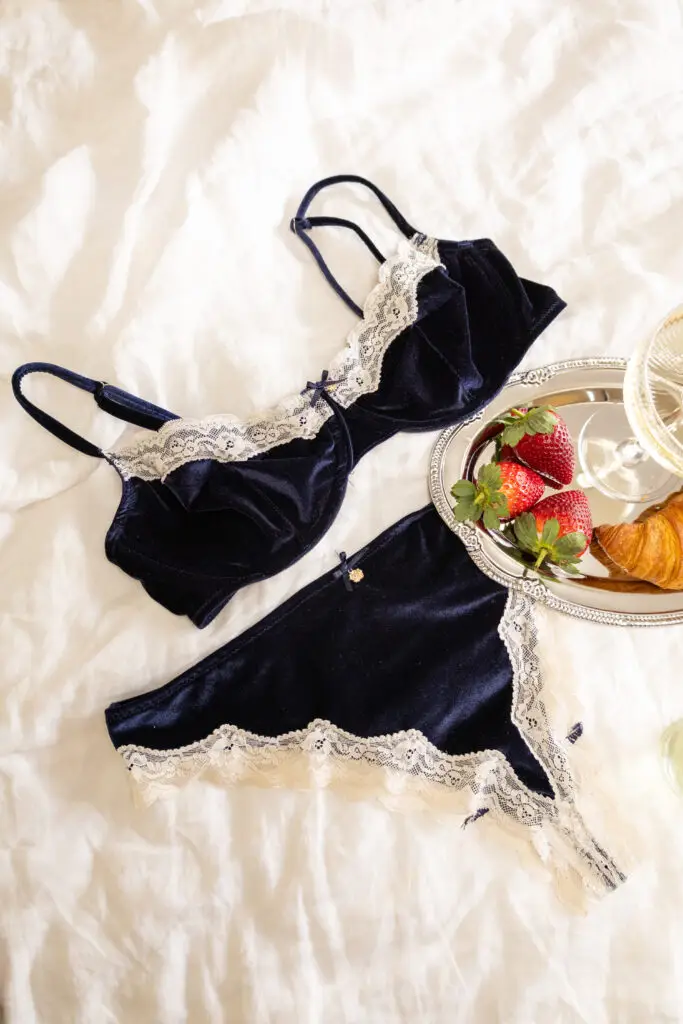
We do something similar with the things we enjoy, putting them on the shelf for special occasions. The nice new top stays unworn, the expensive skincare sits unused, the favourite meal is saved for when we have someone to share it with. The shelf gets dusty. We convince ourselves that these things are too special for everyday life, when allowing ourselves to experience these small pleasures can make everyday life all the more special.
But our post-work hours are the limited hours we have for ourselves. Joy shouldn’t have to wait until the to-do list is finished. Although there is nothing wrong with having goals, or rewarding ourselves for achieving them, perhaps our evenings could contain some things that are just for us. It could be something as simple as putting on a facemask, grabbing a little sweet treat after dinner, or calling one of your friends for a catch up.
Why Do We Feel Our Evenings Aren’t Enough?
Social media has only intensified the pressure we place on our after-work hours, by turning our free time into another space for achievement and self-improvement. A friend aptly pointed out the other day that it is not normal to view the lives of so many others – whether those people are friends or influencers. We are perpetually convinced that others are achieving more than us, are healthier, are better travelled, are more educated, have nicer clothes etcetera. This constant feed of productive performance breeds the pressure we place on ourselves to tick all the boxes.
We compare our ordinary Tuesday evening to someone else’s highlight reel. Consequently, I feel that the majority of the goals I set for myself that have stemmed from things I have seen on the internet are incredibly unrealistic, leaving me feeling I have failed in some way.
There is also the added layer of posting on social media, where activities and hobbies become a sort of performance for the approval of others, or the curation of an online identity. Why even go on a run if you aren’t uploading it to Strava? Why spend time cooking if you can’t post an Instagram worthy shot of your plate on your story?
If you have found yourself falling victim to these thoughts (as I have) then perhaps you need to change the way you approach it – as something you do for yourself, leaving your Strava kudos out of the equation. Not every part of our free time needs an audience. Our evenings should be less about how they look to others, and more about how they feel to us.
To Conclude
The hours after work can feel like a small window of time in which to fit everything in. Our society often prioritises outcome and results over enjoyment, making fun seem indulgent. However, we do not need to abandon our goals and ambitions to have fun. Instead, it can help to remember that they are not the only measures of a meaningful and well lived life.
Without a doubt, this is difficult for those working a full-time job. Some of my close friends come home from work only to eat and sleep. Finding moments for enjoyment won’t always be realistic, but making space for small joys amongst the chaos of everyday working life can make all the difference.
The hours after work are the hours we get back. Whether it is reading a fantasy novel, painting your nails, or dancing around the kitchen, these moments are not wasted time. These things that we do simply because we want to, the things that we are genuinely passionate about, are the ones we most often overlook.
Read more of our Thought-Provoking articles here.