I’ve had my eye on a pair of chocolate brown leather knee-high boots for months now. They adorn my Pinterest board, and I even have a ChatGPT alert set up to notify me if anything similar goes on sale. They’re quite pricey, more of a luxury than a necessity, but if I can get them for a bargain, I’ll go for them. Then Black Friday rolls around, and they’re selling for $100 less. The boots are still expensive at $300, only now I’m saving $100. My obsession with sales is girl math, obviously!
It’s more than girl math, though, because somewhere along the way, we’ve developed an obsession with sales. My favourite retort when someone compliments an item of clothing I’m wearing is, “Thanks, it was on sale!” It somehow makes the whole outfit a little more special.
But why? The quality of the garment hasn’t changed, nor has the way it looks on me. Yet there’s something particularly satisfying about knowing I paid less for it than somebody else might have.
The Psychology Behind Our Obsession With Sales
Zoe Goodhardt, Partner and Head of Growth and Marketing at TAG, explains that a discount is really just about marketing.
“It gives people a reason to act right now,” says Goodhardt. “You don’t need to know anything about a product to know that 40% off feels like a win, so the deal does the persuading.”
“And yes, for a lot of shoppers on Black Friday the bargain is the product. The rush comes from feeling like you’ve beaten the system,” she continues.
And, conveniently, it makes spending money feel a little less indulgent.
How Black Friday Creates Shopping FOMO
Influencer culture has thrust promotional codes, affiliate links and sponsored content into our everyday scroll. Then come the countdown timers, limited-stock warnings and emails reminding us that our favourite items are waiting patiently in our shopping baskets.
It’s a clever combination of desire and urgency. We’re no longer simply deciding whether we want something. We’re deciding whether we can afford to miss out on it.
“Black Friday is now a highly personalised event. If you’ve looked at a product, left something in your cart or opened a brand’s emails, you’ve told them exactly what you want,” says Goodhardt. “Brands use those signals to time the offer, choose the product and pick the channel, whether that’s an email, an SMS or an ad that follows you across socials.”
What was once a single day of discounts has evolved into an entire shopping season. There’s Black Friday, early access, exclusive access and, if you’re particularly lucky, a discount code for signing up to another mailing list.
At some point, it becomes less about the thing we’re actually buying and more about the thrill of a good deal.
When a Discount Becomes the Reason We Buy
There’s an important distinction between buying something you already wanted at a reduced price and convincing yourself you want something because the price has been reduced.
According to shopper research shared by GPT Group, 67.3% of surveyed consumers have already delayed, or intend to delay, a purchase specifically to coincide with Black Friday. Meanwhile, 31.9% plan to complete the largest share of their Christmas shopping during Black Friday and Cyber Monday.
On the surface, this sounds sensible. If you’re planning to buy Christmas presents or replace a broken appliance, waiting for a discount might be a perfectly reasonable financial decision.
Joel Gibson, Consumer Finance Expert at Zyft, says, “Retailers have spent years studying how to get us to hit buy before we’ve had a chance to think, and Black Friday is where it all comes together.”
“Near-constant marketing emails make us worry we’ll miss out, and once that FOMO kicks in, our usual financial judgement tends to go straight out the window,” he continues.
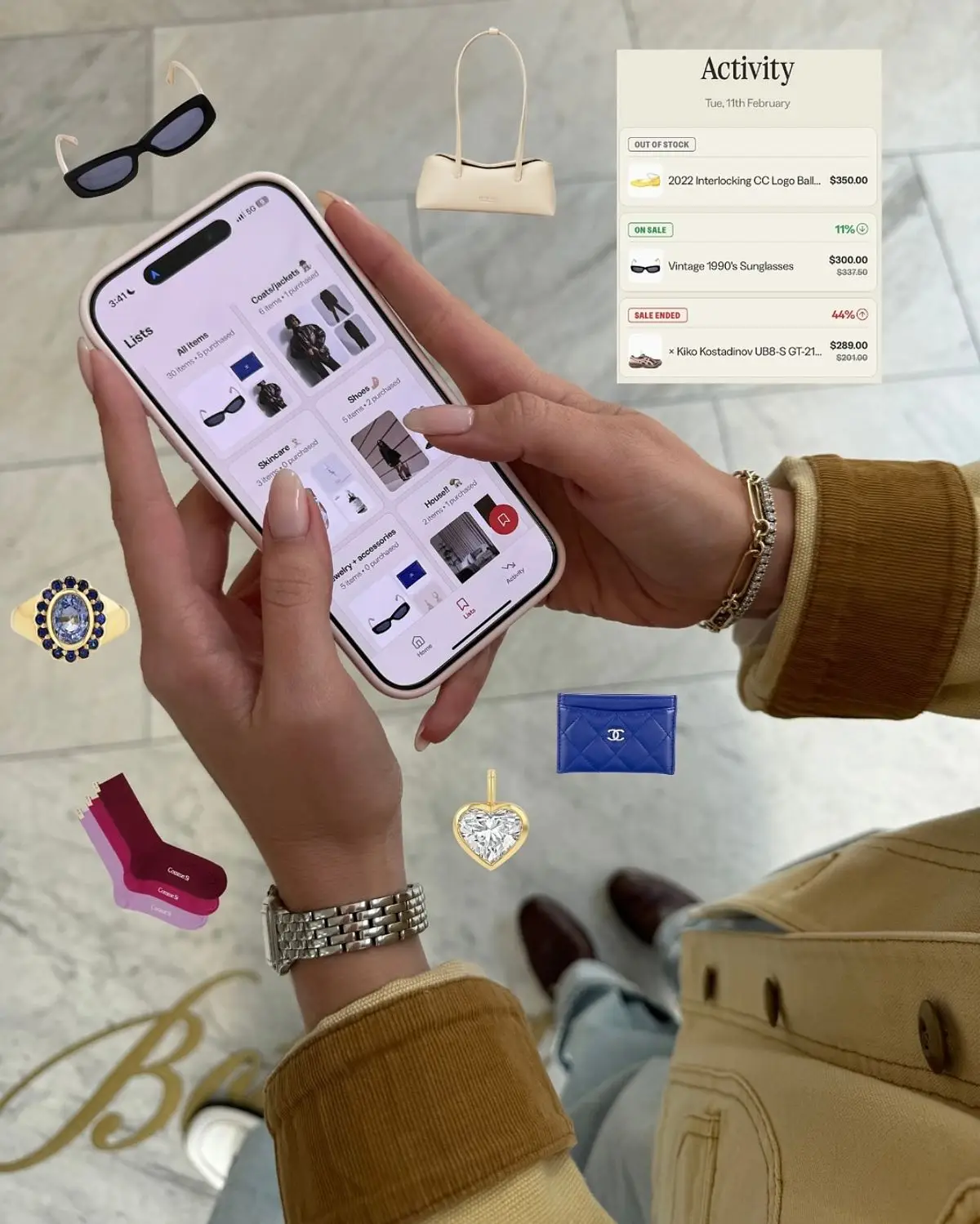
The Zyft app offers one way to check whether a discount is genuinely worthwhile. The free Australian price comparison app compares prices across more than 50,000 retailers, allowing shoppers to check whether an advertised sale price is actually the best available.
“Zyft recently added a price history option to extension results, which allows you to easily check; you can also set price drop alerts, so you don’t have to constantly monitor changes in price,” says Gibson.
According to Gibson, one strategy worth considering is leaving your shopping until the end of the sale period.
“Zyft research shows that prices on lots of popular products don’t tend to hit their lowest point until the last couple of weeks of the month,” says Gibson. “So, saving your shopping until the end of the sales period could save you even more money.”
What happens when the discount becomes the reason for the purchase?
Perhaps our obsession with sales says something about our relationship with money, consumption and the little victories we look for in everyday life.
There’s nothing inherently wrong with enjoying a bargain. And with the cost of living continuing to influence household budgets, getting more for your money is hardly something to criticise. But, there’s a difference between appreciating a discount and needing one to justify a purchase.
Because no matter how we do the math, there is still money leaving your bank account.
Read more of our Thought Provoking articles here.