From conceptual design to social commentary, meet the emerging designers making their mark at Melbourne Fashion Week, where innovative construction, personal narratives and cultural critique reveal the ideas shaping fashion’s next generation.
Maddie Clarke – ‘Ki-net-ic’
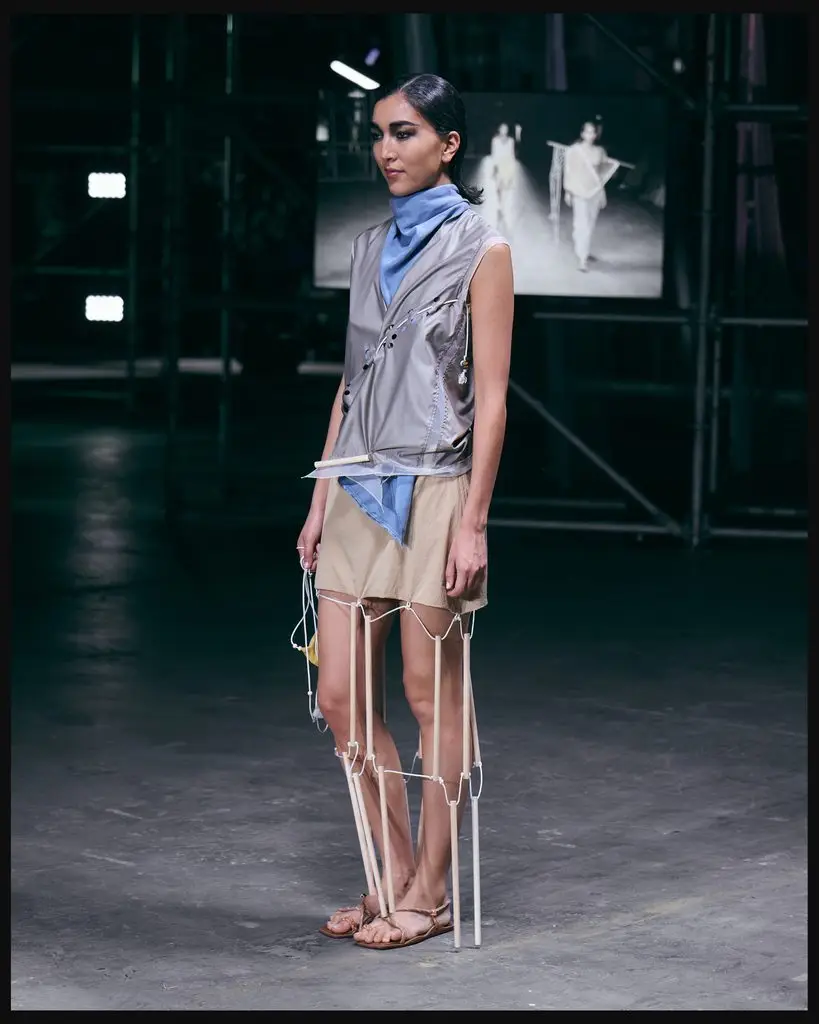
Where fashion meets sport, Maddie Clarke’s Ki-net-ic explores the relationship between movement, materiality and spatial awareness. Drawing inspiration from the geometry and visual language of the volleyball court, Clarke’s collection plays with shapes, textures, colours and non-textile materials, considering how weight and form influence the way a garment occupies space.
Through an exploration of spatial-temporal mapping, the collection challenges conventional approaches to construction and the body in motion, examining the relationship between the wearer, their surroundings and the space they inhabit. Rather than treating clothing as something stagnate and conventionally functional, Clarke considers how garments reposed to movement, transforming the body into an active part of the design. By drawing from the precision of sport and translating it into an experimental design language, Ki-net-ic pushes beyond traditional ideas of wearability to consider the possibilities of clothing in motion.
Eloise Green – ‘Felony’
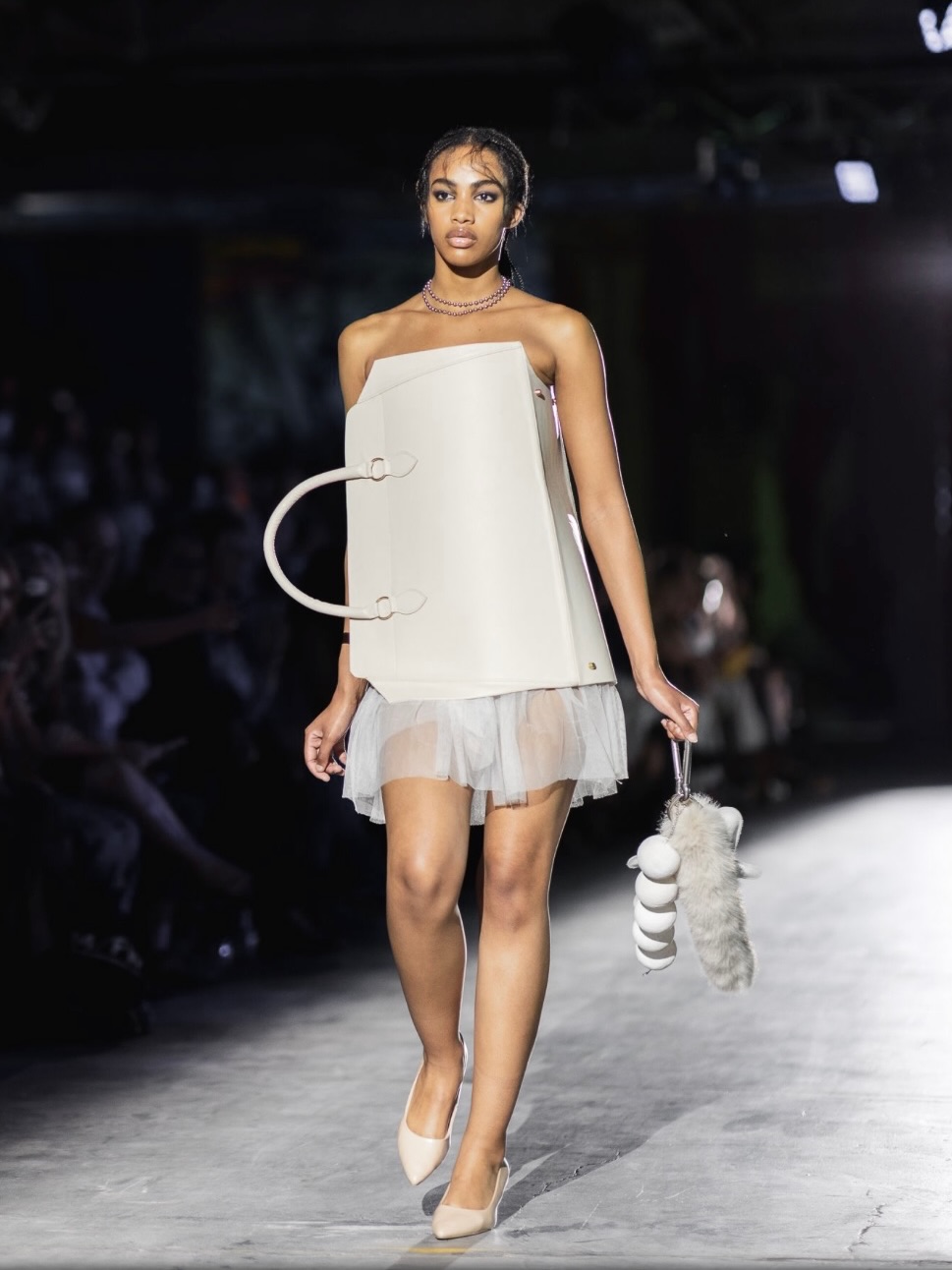
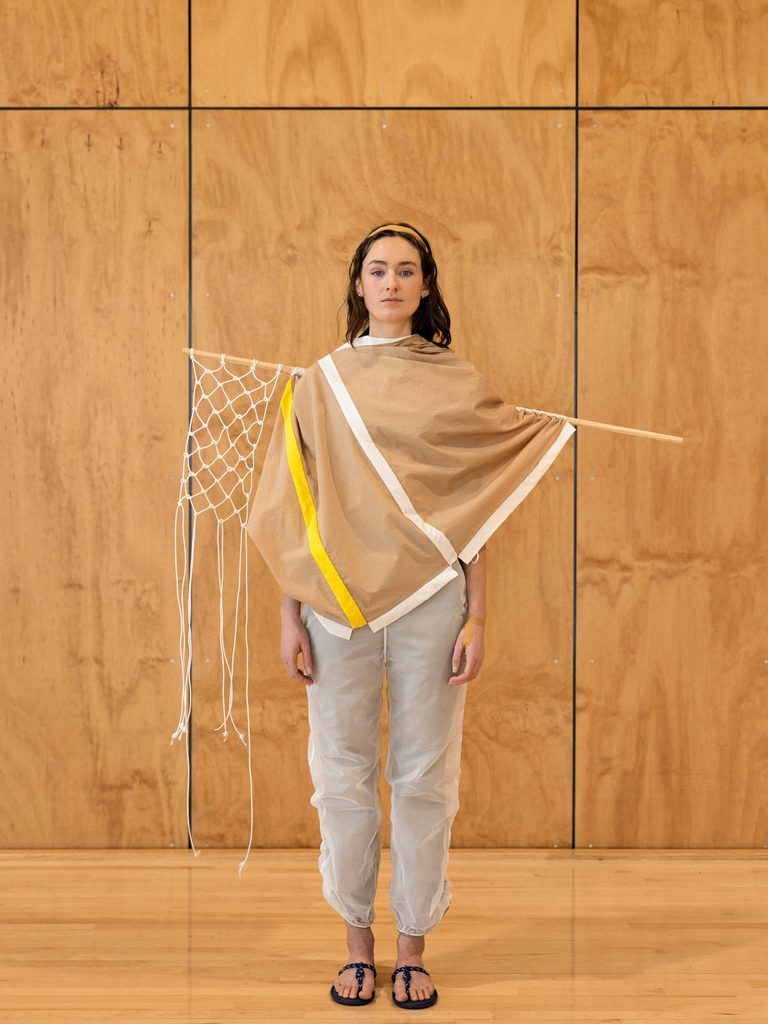
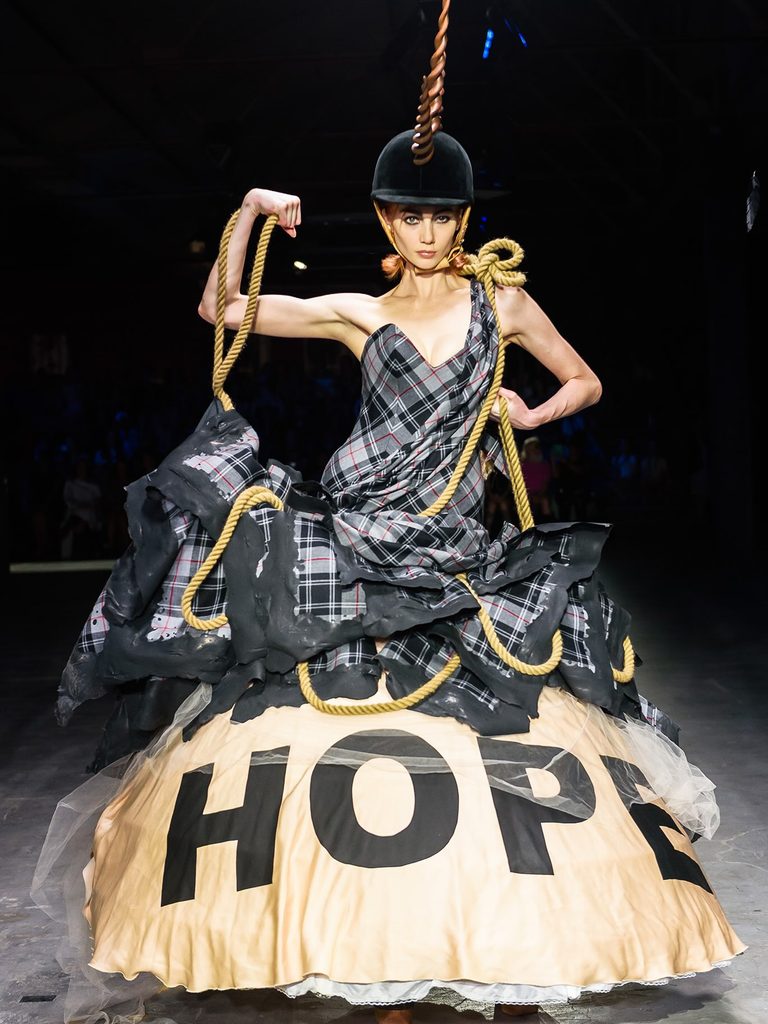
With Felony, Eloise Green turns the cost of living crisis into a pointed sartorial statement. Green describes the collection as a direct commentary on the financial pressures facing Australians, using humour and visual disruption to challenge the position of consumers in today’s economy.
The collection demonstrates how fashion can function as a form of social commentary to challenge the status quo using fashion to expose the absurdity of the everyday and suggest that consumers are the ones being made fools of.
Image credit: Zach Dean
By Josephine Rose – ‘Lumen Reverie’
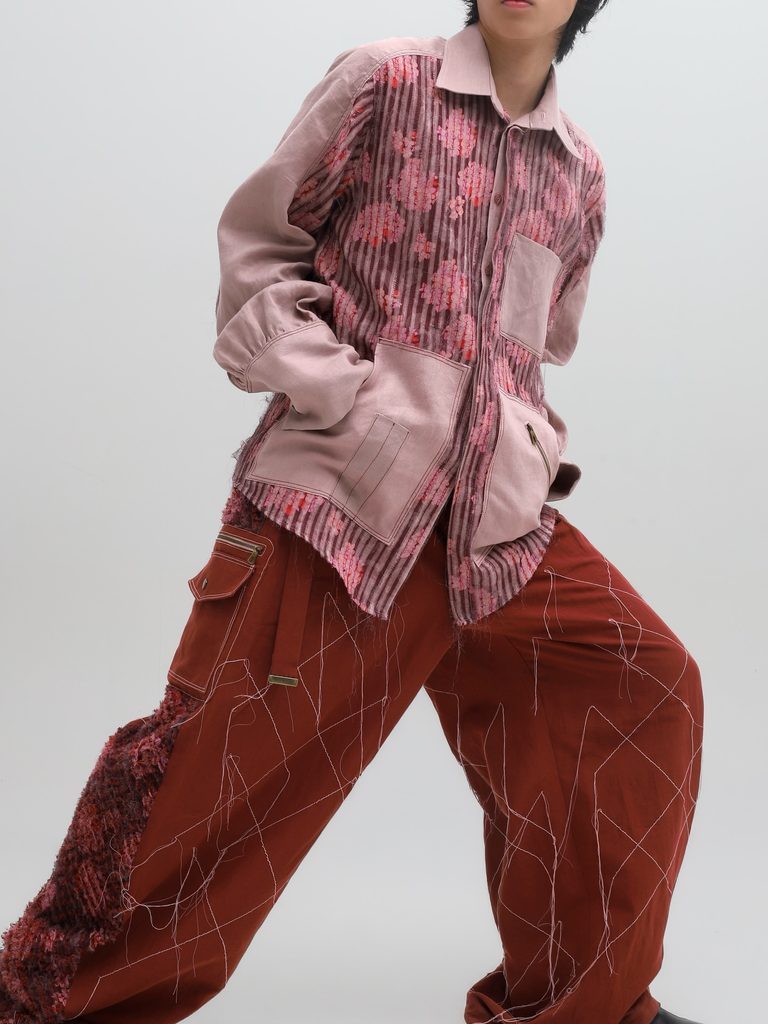
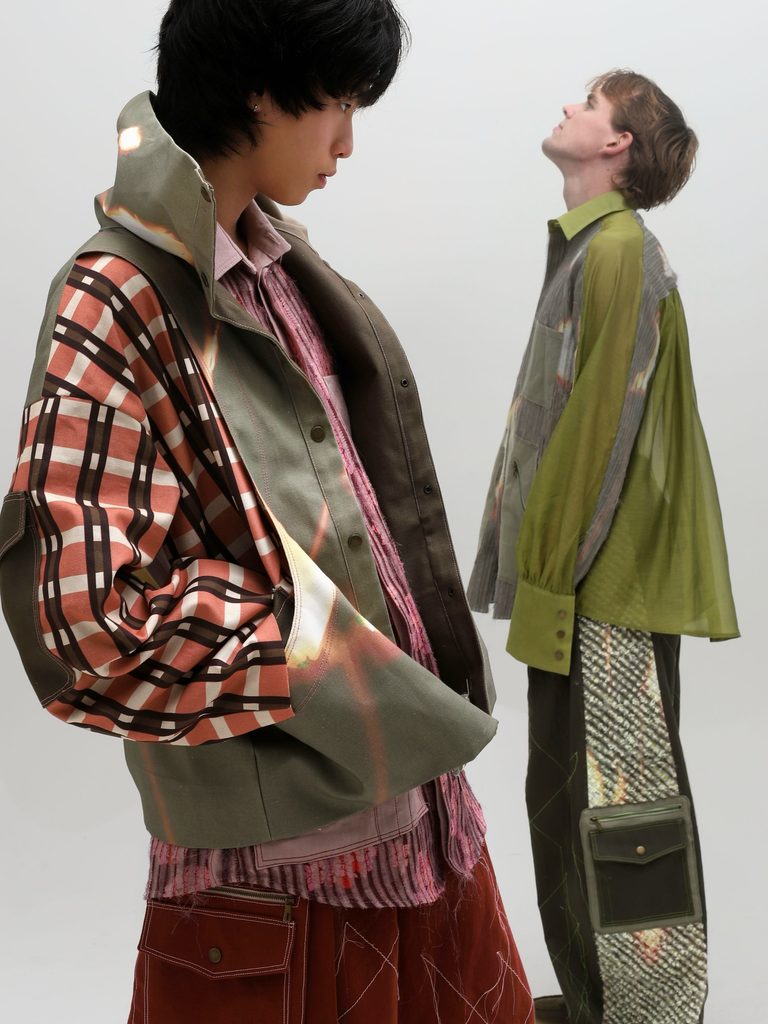
Built on the foundation of the ‘Mish Mash Mens’ brief, Lumen Reverie considers the possibilities of contemporary menswear through contrasting materials and visual treatments. The collection reinterprets traditional codes of masculinity through a more expressive approach to colour, texture and design.
Rose explores the relationship between print and texture, using one-of-a-kind prints and custom printing techniques. Oversized silhouettes and utilitarian details take centre stage, creating a considered tension between the softness of the prints contrasted with the structure of the garments. Through this balance of expressive design and functional form, Lumen Reverie challenges conventional ideas of menswear, making space for individuality while retaining a sense of practicality.
Dizzie Francis by Claire Moffat – ‘Spero Meliora’
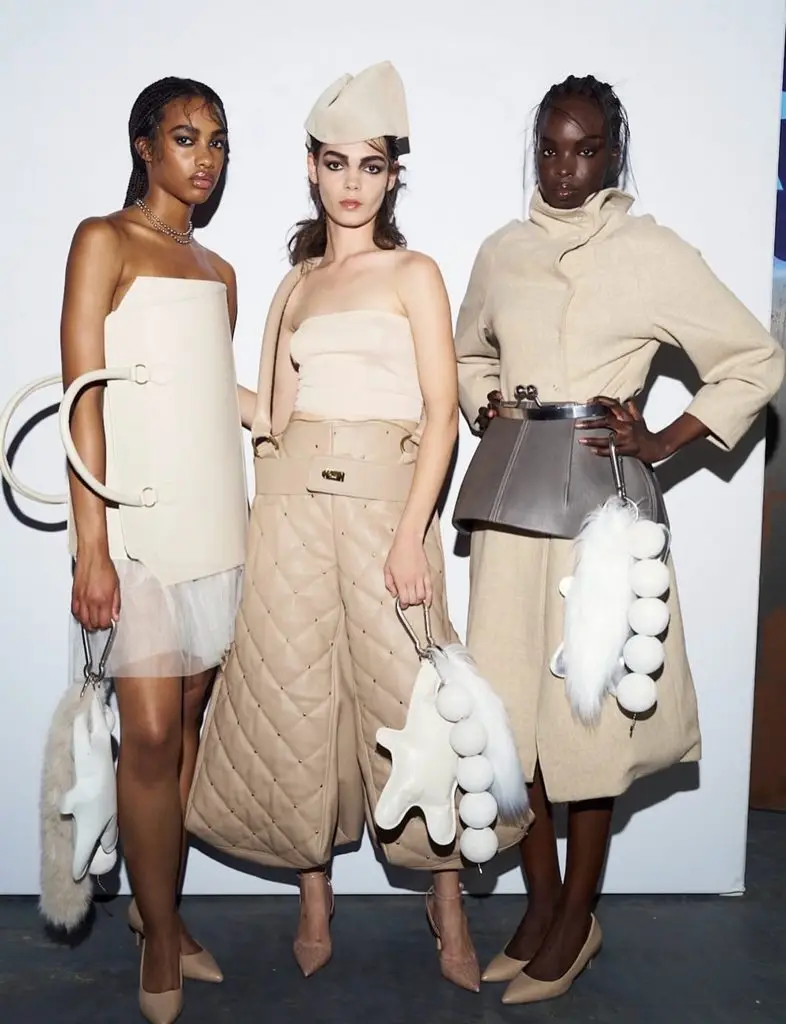
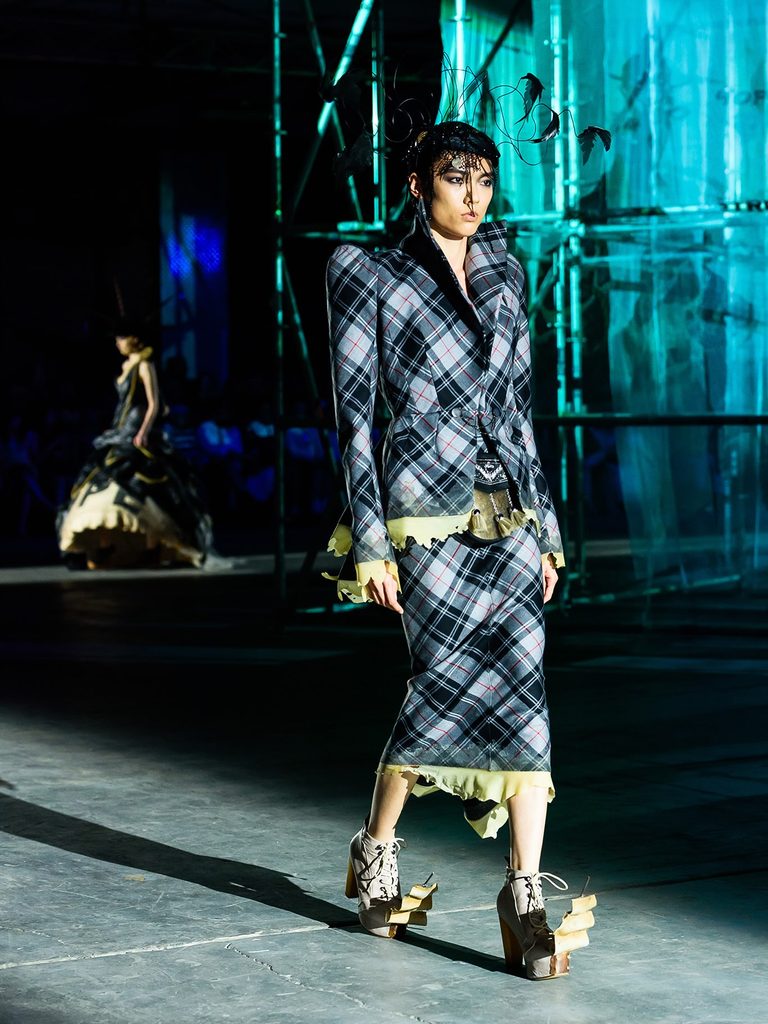
Inspired by designer Claire Moffat’s Scottish childhood and mythology, Spero Meliora draws on personal and cultural references to consider the relationship between memory, heritage and design. Through the use of signature tartan fabric, Moffat celebrates the rich history of the print, bringing its strength and character to life through sharp lines, structured shapes and regal silhouettes.
Spero Meliora demonstrates how fashion can function as an art form and a means of storytelling. the designer’s own influences into something that feels both intimate and visually striking.
Melbourne Fashion Week offered a glimpse into the next generation of designers, challenging conventions and using fashion to communicate ideas beyond the purely aesthetic.
Read more of our Fashion & Style articles here.
Banner image credit: Zach Dean