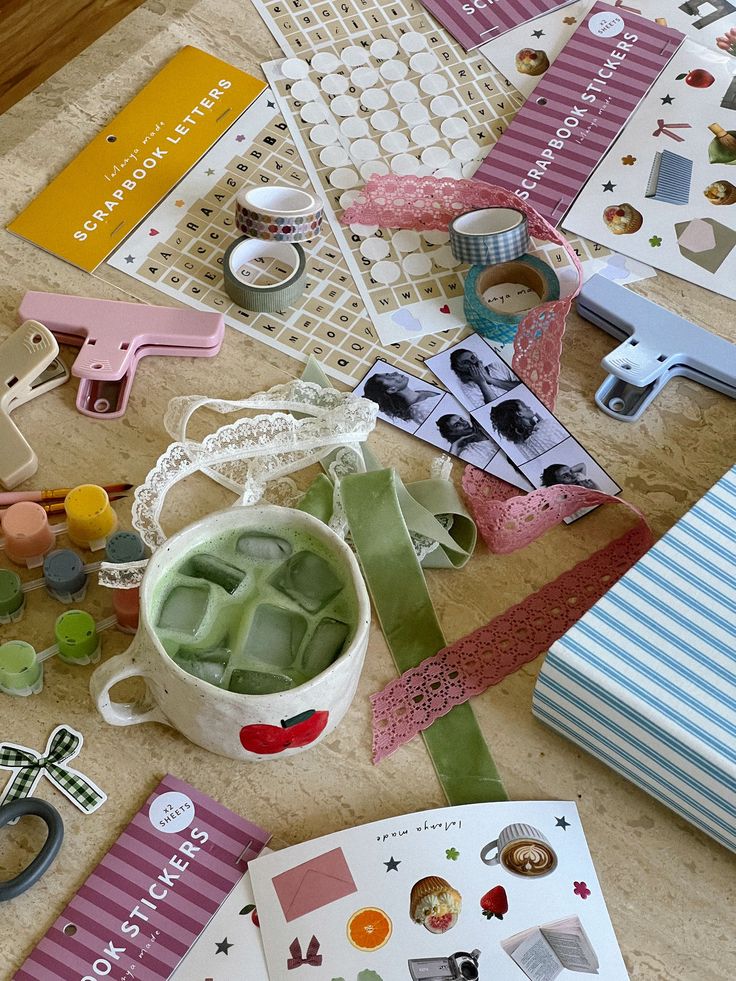
We get a lot of value out of being creative. Having time every day to connect with your artistic process doesn’t just help you switch off from the rest of your regular schedule, but can also help build confidence and resilience alongside having other cognitive benefits. So, why not turn your hobby into a craft business?
Creating art also gives us the chance to become masterful at something, whether it be cross-stitching or crochet, claywork, jewellery making, resin art, or the many other mediums and hobby crafts you can take up today. And sometimes, we can become so masterful at our medium that we get commissions – and just like that, our artistic endeavours turn into a potential business idea.
Turning a creative passion into an income stream can be exciting, but there’s more to running a craft business than making beautiful things. From registering your business and setting your prices to finding customers and building a brand, there are a few practical things to get right before your hobby becomes your livelihood.
Here’s where to start.
Establish a Strong Legal Foundation for Your Business
To start trading, you’ll first need an ABN (Australian Business Number) for business tax purposes, which means registering your business with the Australian Business Register. This is easy enough to do online through the ABR website, so you may as well get it out of the way first.
Getting your ABN sorted nice and early can also help you finalise other legal essentials for your business, including your business tax management, but also your business insurance. Even a business you’re running out of your garage or spare room can benefit from insurance cover. In fact, you can find dedicated home business insurance policies for entrepreneurs operating out of a residential address.
The major advantage of home business insurance cover is that any equipment or tools you purchase for business purposes can be covered in the event of loss or damage. Your property may also be covered under your home business policy for damage resulting from the use of business tools – so if you’re planning on using potentially dangerous equipment at home, you can do so with a lower risk of personal financial loss.
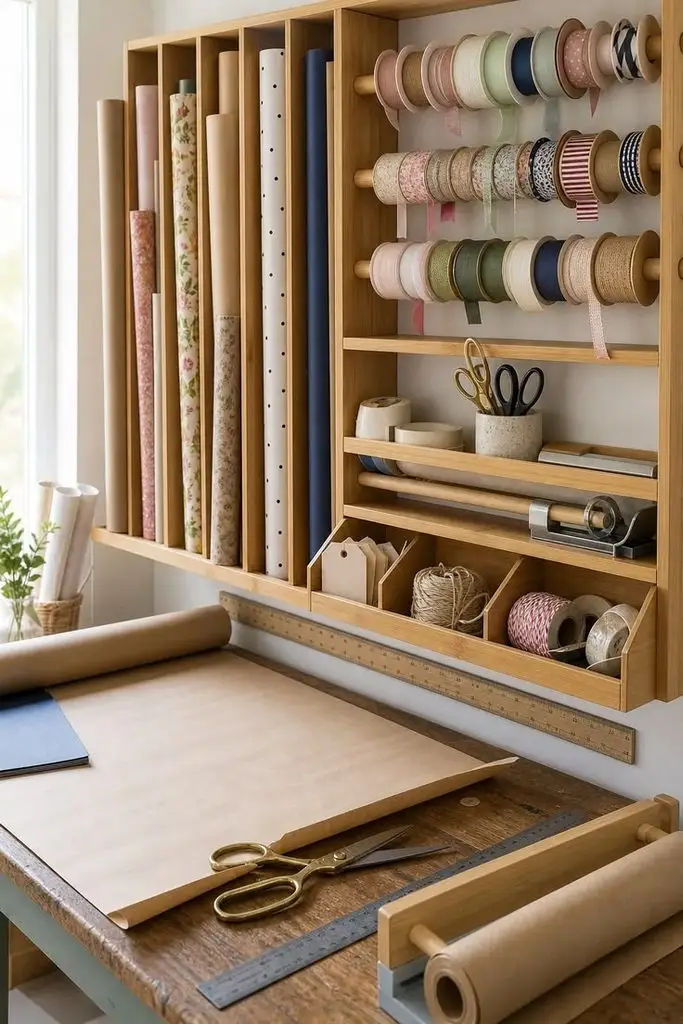
Set up a Dedicated Studio or Workspace
One of the best parts of turning a craft into a business is getting to create a space around it.
That could mean converting the spare room you’ve been using for storage into a dedicated studio, setting up a workbench in the garage or simply giving yourself a proper corner of the house to create in.
What you need will depend entirely on your craft, but good lighting and a sturdy, practical workspace are a good place to start. If you’re working with small details, investing in quality LED worklights can make a huge difference, while a solid workbench can give you the room to work comfortably and efficiently.
There’s also a practical reason to keep your business workspace organised. Keep track of purchases made for your business and hold onto your receipts, as some business expenses may be tax deductible.
It’s also worth separating your business and personal finances with a dedicated business bank account or card. It might feel overly official when you’re still making products from home, but keeping everything organised from the beginning will make life much easier as your business grows.
Equip Yourself with All the Right Supplies
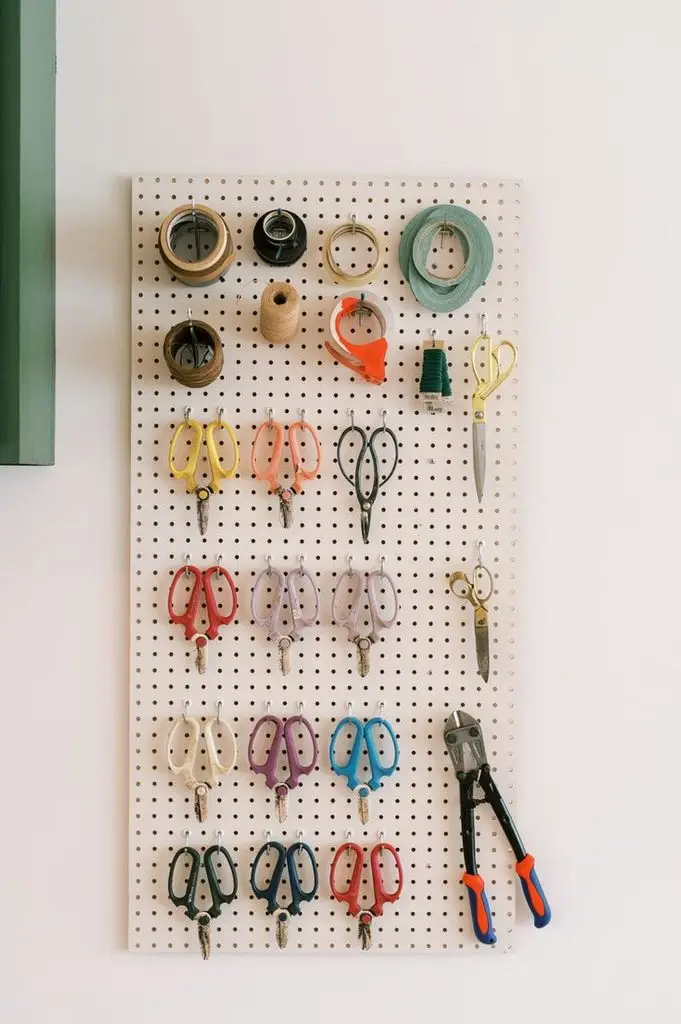
Once you have a space to work in, it’s time to think about supplies.
The materials you need will obviously depend on what you make. An embroiderer might need embroidery floss, hoops and fabric, while a jewellery maker could be looking at beads, chains, clasps and packaging.
Buying your supplies in bulk quantities from wholesale traders is naturally going to deliver the biggest bang for buck, but not all wholesale traders deliver at the same consistency in value. Here, you can absolutely be discerning with who you’re willing to work with. Finding the right supply partners at this point in setting up your business can help ensure you’re prepped for success, and can maintain easy access to supply topups when you need them most. Remember, a business is just as healthy as its supply chain. Investing in building those strong relationships is part and parcel of investing in yourself as a business owner.
Prep Your Pricing and Profit Margins
One of the easiest mistakes to make when turning a creative hobby into a business is forgetting to charge for your time.
If the materials for an item cost $20 but the piece takes you three hours to make, selling it for $30 isn’t necessarily a great deal once you account for your labour.
Start by working out exactly what goes into making each product. Consider your materials, packaging, labour and any other costs associated with selling the item. From there, you can work towards a price that actually leaves you with a profit.
And don’t be afraid to adjust your prices.
You might realise after a few weeks that a product takes longer to make than you expected, or that your materials have become more expensive. Your pricing can evolve as you learn more about your business.
There’s another factor worth considering, too: your brand.
When customers aren’t just buying a physical product but are also buying into the story, aesthetic and personality behind it, there can be more perceived value in what you create. Building a recognisable brand can therefore become an important part of making your business sustainable.
Set up Your Digital Presence
You can make the most beautiful things in the world, but people need to be able to find them.
For some makers, that might begin with weekend markets, word of mouth or an Etsy store. For others, Instagram or TikTok might become the main way customers discover their work.
Eventually, having your own website can give you another place to build that audience.
It doesn’t need to be complicated, particularly if you’re primarily taking commissions. A simple website with a curated portfolio, information about you and your work, and a way for potential customers to get in touch may be all you need.
For eCommerce, however, it gets a little more complicated. You’ll need to make sure your website is set up with product photos and product descriptions, and that each product webpage is optimised for that product. Your eCommerce website also needs to be set up with a secure payment system, which may mean sacrificing a fraction of your profits to payment processing fees.
As for your social media presence, think about what kind of content your customers and target audience would most like to see. Do you want to do timelapse videos showcasing the intricacies of your craft, or ‘day in the life’-style content that outlines how busy it is to be a professional craftsperson? Or a bit of both? Maybe some A/B testing and experimenting with different posts can help you determine the best engagement strategies for your brand.
Start Trading – Both Online and Physically
With your digital presence ready, your workspace all set up, and your prices set, there’s one thing left to do and that’s to officially start promoting your products and services. Launch your website, start taking in your first orders, and look for any and all opportunities to tout your wares, like weekend markets.
Keep putting yourself out there and saying yes to the opportunities that come your way. Outreach can naturally help you expand your customer base so you’re not entirely dependent on social media algorithms to project your message. Even something as simple as setting up a stall at your local weekend market every weekend can help exponentially grow your reach and support word of mouth marketing for your business.
Engage with Your Customers for Future Growth Planning
One of the best things about running a small creative business is having a direct relationship with the people buying your work.
Pay attention to what they ask for.
What products are people commenting on? Which pieces sell out first? Are customers asking whether you can make something in a different colour or size? What are they saying in reviews?
These little observations can help you work out where your business could go next.
You can also look at other makers and businesses for inspiration. That doesn’t mean copying someone else’s work. Instead, pay attention to how other creative entrepreneurs have built their brands, diversified their products or grown their audiences.
Being part of a creative community can be one of the most valuable parts of building a creative business. Share ideas, support other makers and always give credit where it’s due.
Turn Your Creative Passions into a Bona Fide Business
There isn’t one correct way to build a craft business.
You might want to sell one very specific product and become known for it. You might eventually expand into an entire collection. You might keep your business deliberately small so you can balance it with another career or turn it into your full-time income.
That’s the beauty of starting with something you already love.
You don’t need to have the five-year plan worked out on day one.
Start with the thing you’re good at. Work out whether people are willing to pay for it. Get your foundations in place, learn as you go and let the business evolve alongside your own ambitions.
Because sometimes the thing you started making simply because you loved it can become something much bigger.
Read more of Thought-Provoking articles here.